Prime Minister Ben Chifley
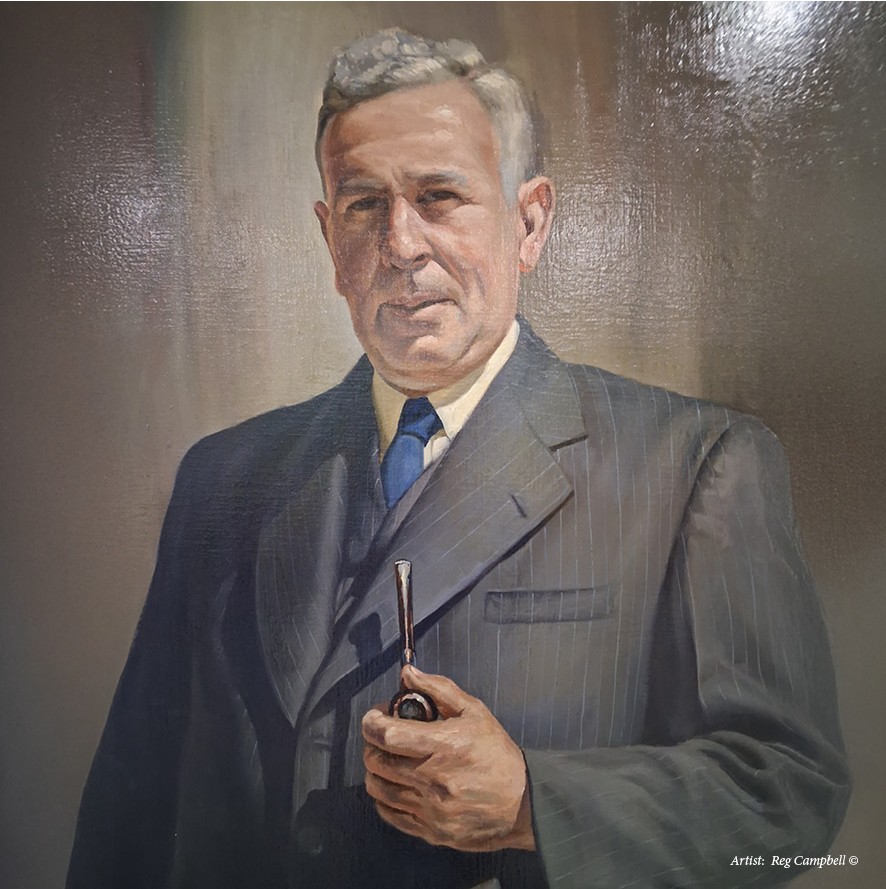
In the heart of regional New South Wales, the story of Ben Chifley is woven into the streets, rail yards and civic life of Bathurst. A railwayman, union advocate and eventually Australia’s 16th Prime Minister, Chifley’s journey from the locomotive sheds to the Lodge is one of the nation’s most compelling heritage narratives.
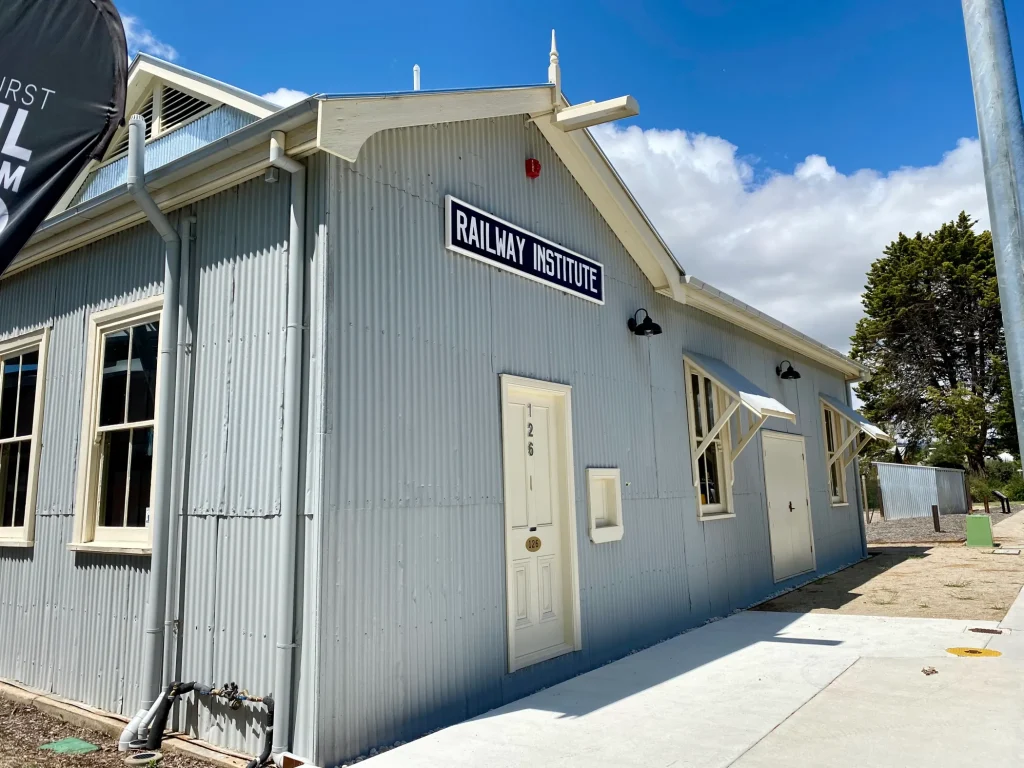
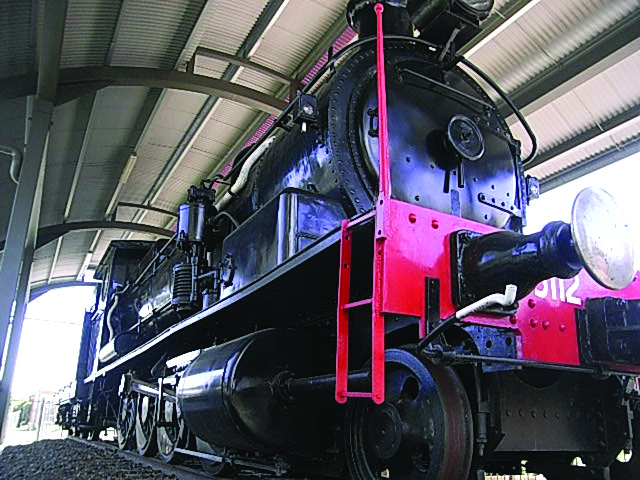
Born in 1885 and raised by his grandparents in Bathurst, Chifley’s early life was shaped by the rhythms of a proud railway town. At the turn of the 20th century, Bathurst was a vital junction in the expanding New South Wales rail network. Steam engines thundered through the yards, carrying wool, wheat and passengers across the state. It was here that Chifley began work with the New South Wales Government Railways.
Ben Chifley began railway work as a shop boy in Bathurst’s extensive steam shed in 1903. He was a fireman six years later, shovelling coal into the engine’s firebox to maintain an even head of steam to drive the train. In 1913, aged 27, he became one of the youngest first-class locomotive drivers.
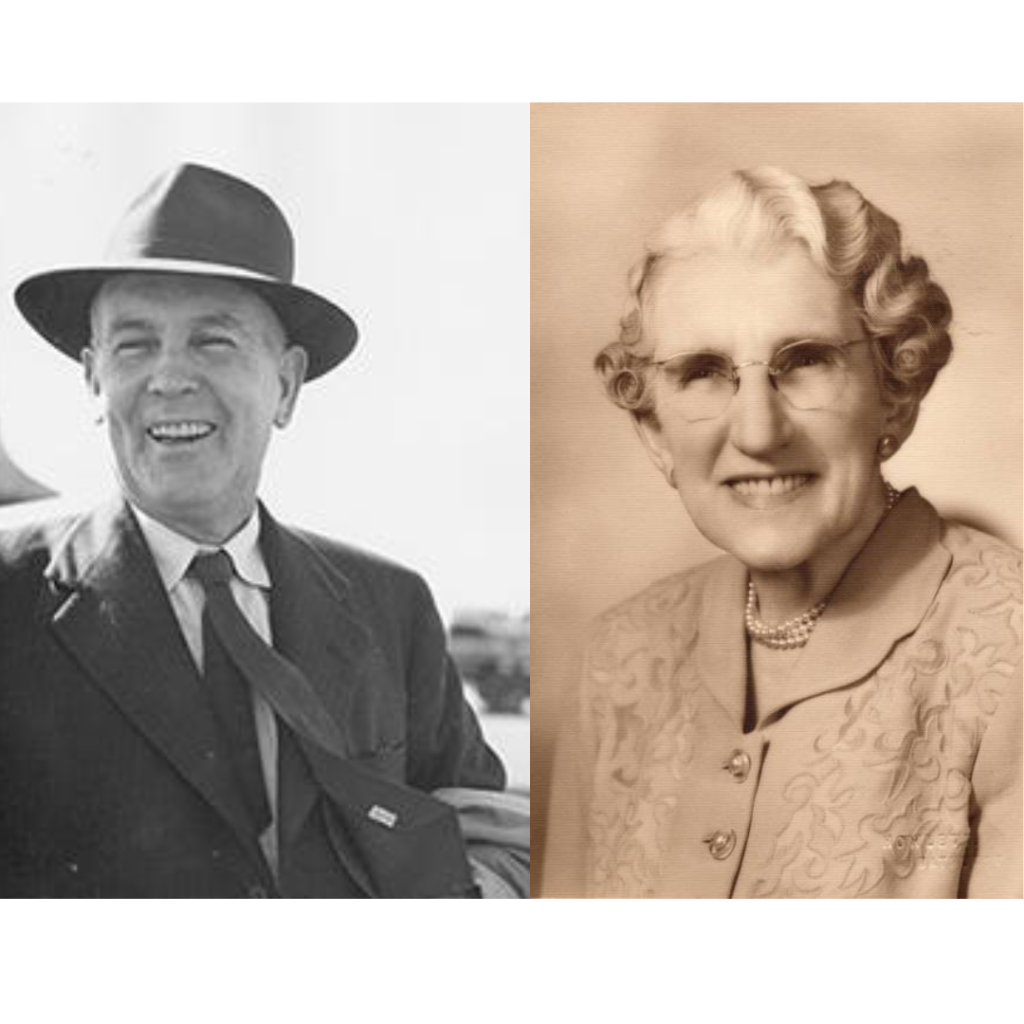
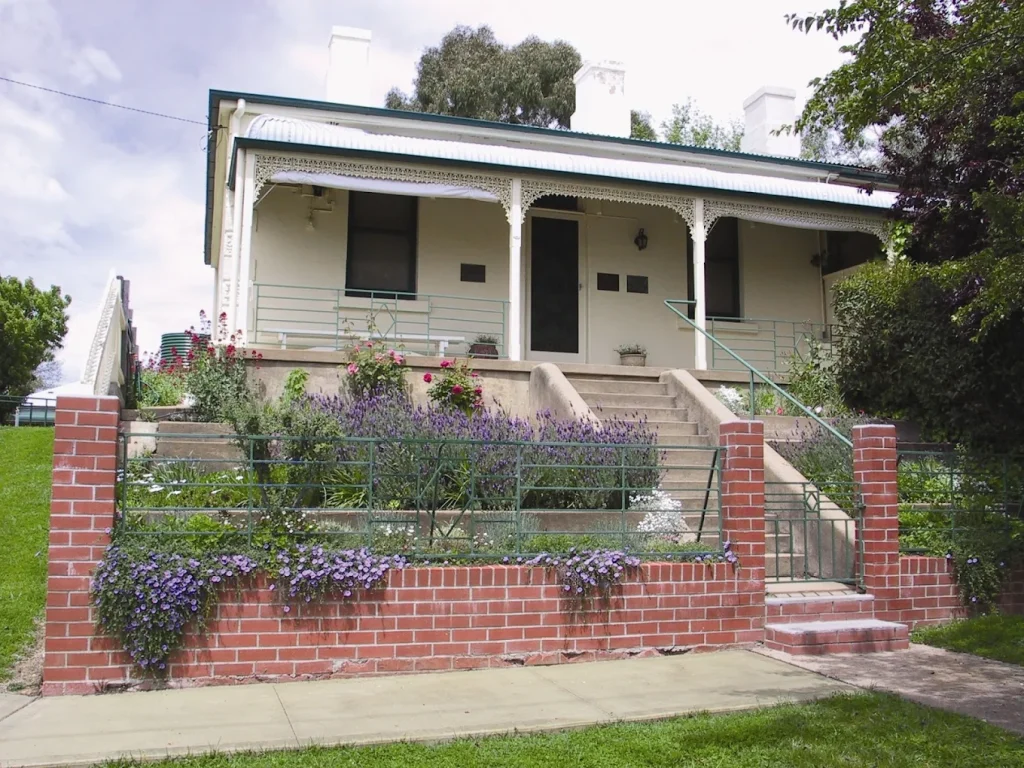
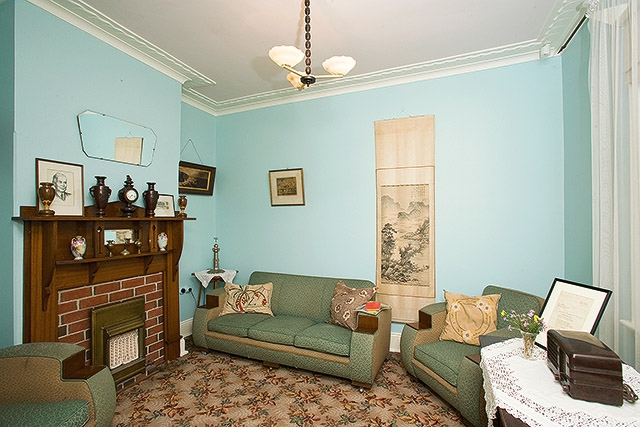
In June 2014 Ben Chifley married Elizabeth McKenzie and moved into 10 Busby Street, South Bathurst, where they lived for the rest of their lives.
Chifley’s years on the footplate profoundly influenced his worldview. He saw first-hand the dangers and hardships faced by working families, and he became active in the Australian Federated Union of Locomotive Enginemen. During the turbulent 1917 railway strike, Chifley stood with his fellow workers, a decision that cost him his job for nearly a decade. Yet this setback only strengthened his resolve and deepened his ties to Bathurst’s working community.
Elected to federal parliament in 1928 as a member of the Australian Labor Party, Chifley’s political career mirrored Australia’s own challenges through depression and war. Though he briefly lost his seat, he returned to parliament in 1940 and soon became Treasurer in the wartime government of John Curtin. In 1945, following Curtin’s death, Chifley became Prime Minister, guiding Australia through the delicate transition from war to peace.
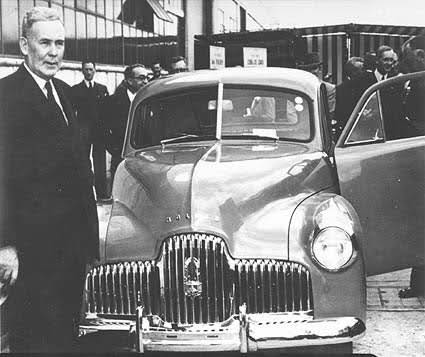
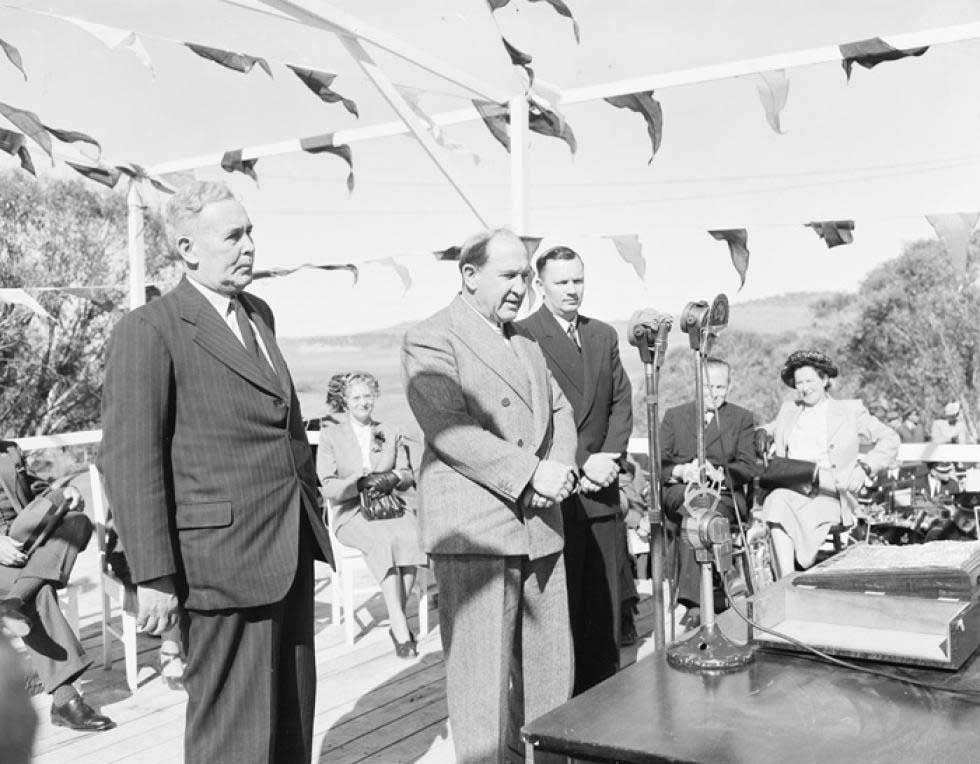
As head of government from 1945 to 1949, Chifley championed nation-building reforms designed to secure economic stability and social equity. His government expanded social services, supported full employment policies and advanced major infrastructure projects. Two key projects were the production of the first massed produced Australian-made car and the commencement of the Snowy Mountains Scheme.
Chifley’s vision of “the light on the hill” — a phrase that has become part of Australia’s political heritage — captured his hope for a fairer, more prosperous nation.
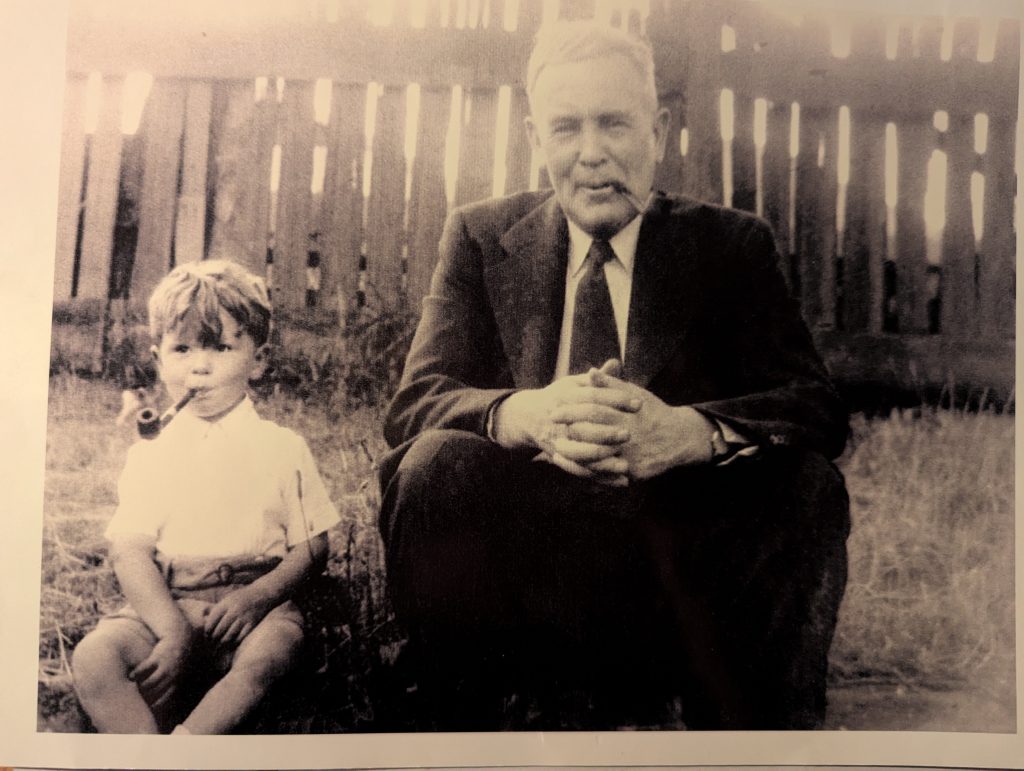
Despite holding the nation’s highest office, Chifley never lost his connection to Bathurst. He and his wife Elizabeth remained devoted to their modest home in the town, preferring its familiarity to Canberra’s formality.
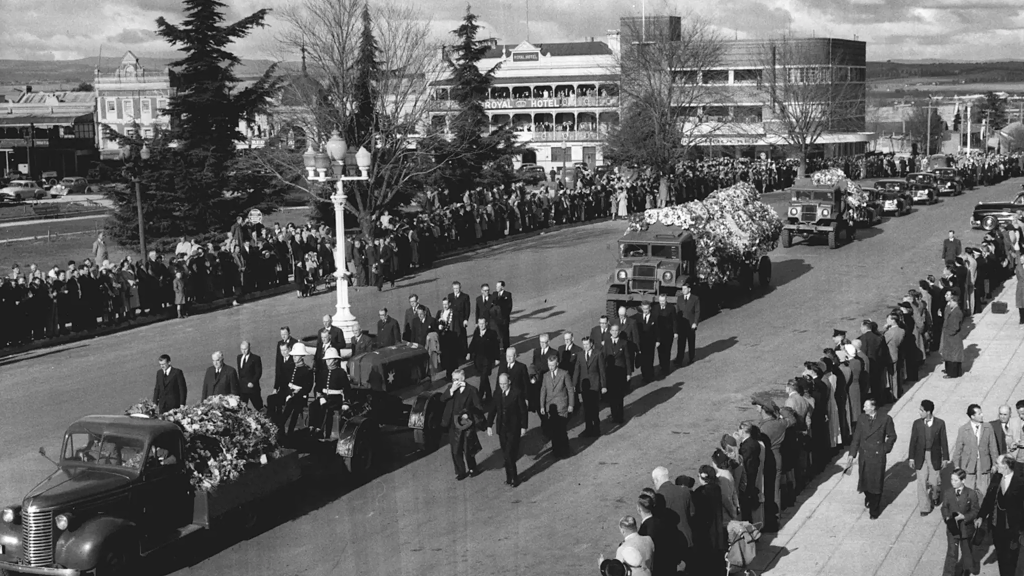
Ben Chifley suffered a fatal heart attack in his Canberra hotel room on 13 June 1951. He was given a State Funeral in Bathurst at the Cathedral of St Michael and St John in William Street. Elizabeth continued to live in their home until her death there on 9 September 1962. Ben and Elizabeth are buried in Bathurst Cemetery
Today, the Chifley Home and Education Centre stands preserved as a museum, offering visitors an intimate glimpse into the private life of a Prime Minister who never forgot his roots. On his grave is the following inscription, “If an idea is worth fighting for, no matter the penalty, fight for the right, and truth and justice will prevail”.
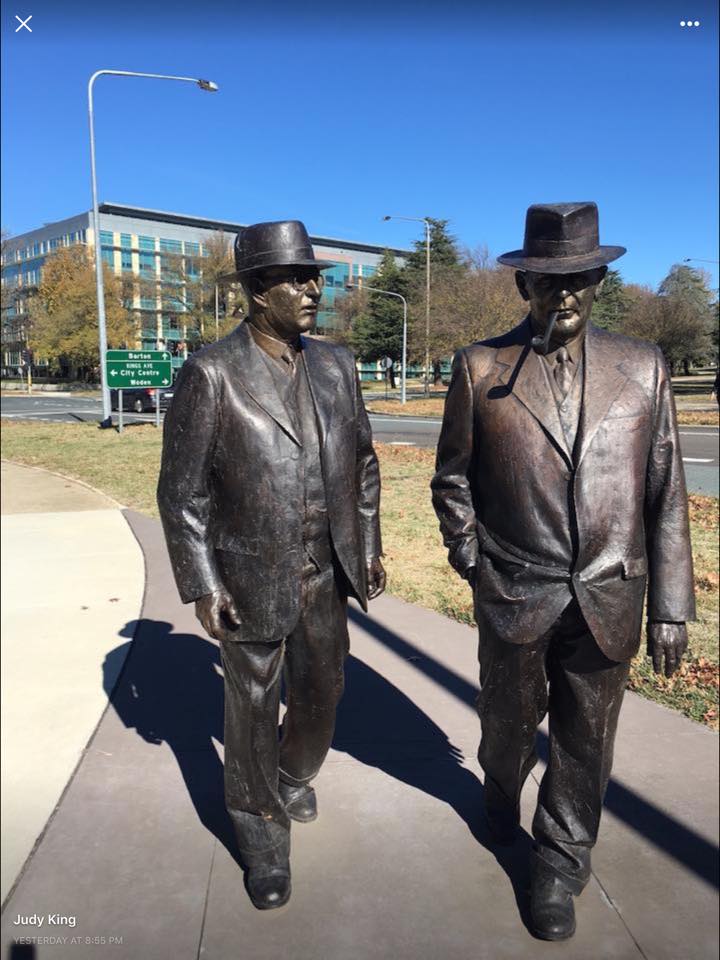
Exploring Chifley’s Bathurst invites travellers to step into a defining chapter of Australian history. From heritage-listed railway precincts to the quiet streets he once walked, the city tells the story of a leader shaped by community, industry and service. In Bathurst, the legacy of Ben Chifley lives on, not only in monuments and museums, but in the enduring spirit of opportunity and public purpose that helped build modern Australia.