


The Bathurst War of Resistance
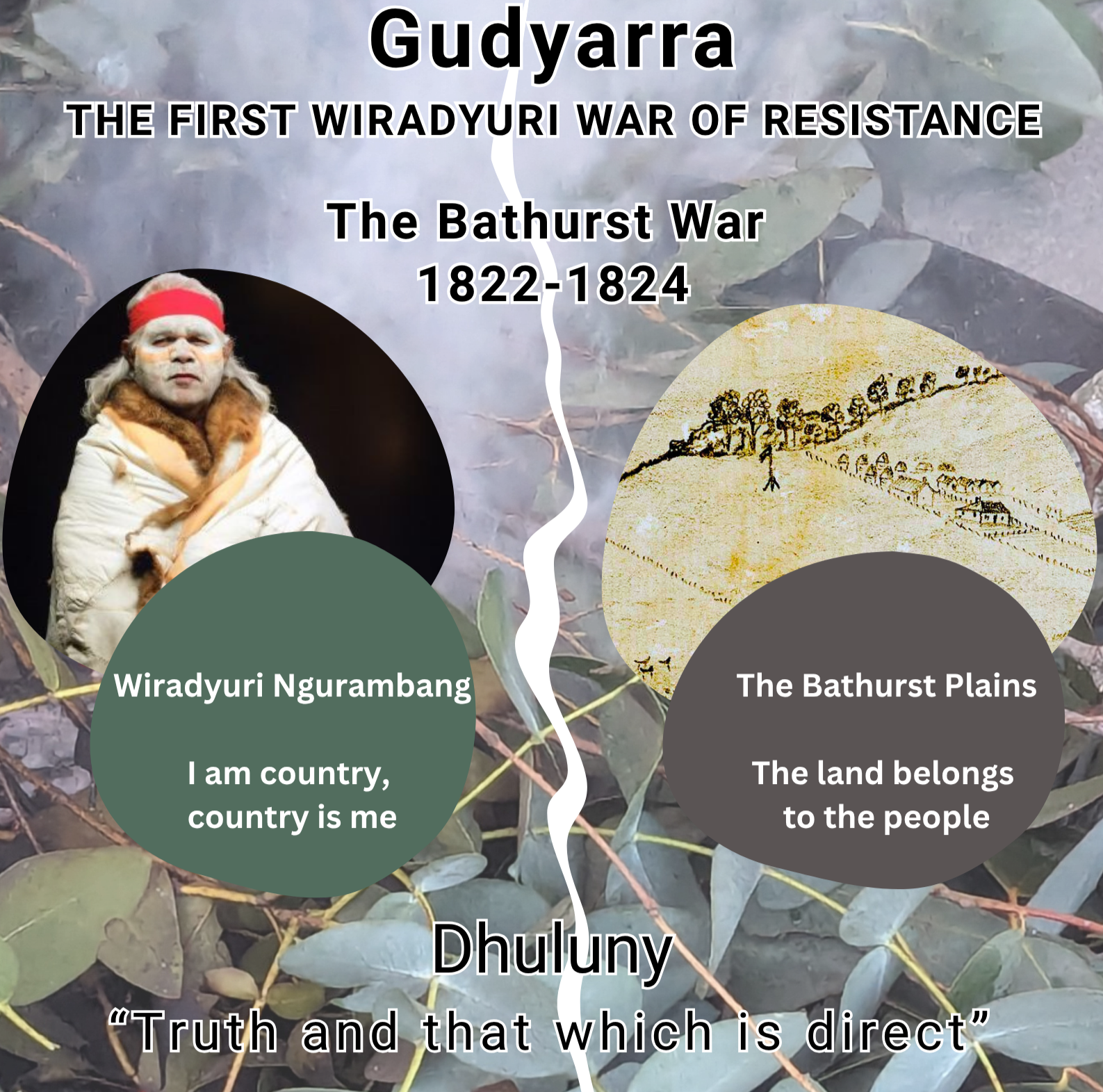
Between 1822 and 1824, the Bathurst region became the site of one of the most significant frontier conflicts in early colonial Australia. Tensions between British invaders and the Wiradyuri people escalated into open warfare as expanding pastoral settlement, which involved the theft of Wiradyuri lands and the dispossession and more often the murdering of Wiradyuri peoples, disrupted a sophisticated and deeply rooted cultural landscape. For Wiradyuri, identity and land were inseparable, expressed in the principle “Ngurambang Ngadhu, Ngurambang Nginhagu” (“I am Country, Country is me”). This worldview stood in stark contrast to the British concept of land ownership, which prioritised possession, exclusion, and agricultural exploitation.

Gorge and in the Capertee Valley, where men, women, and children were killed indiscriminately. These events reflect a broader pattern of frontier violence, often carried out with little or no accountability.
The conflict was noted in colonial records, including reports in the Sydney Gazette, which acknowledged Wiradyuri grievances over the loss of traditional food sources.
Sydney Gazette, 8 January 1824
Advices from Bathurst say that the natives have been very troublesome in that country. Numbers of cattle have been killed. In justification of their conduct, the natives urge that the white men have driven away all the kangaroos and opossums, and the black men must now have beef!…
However, invader responses increasingly called for military intervention. Some colonists openly advocated extreme measures, including the eradication of Aboriginal people.
Such attitudes contributed to the Declaration of Martial Law on 14 August 1824 by Governor Sir Thomas Brisbane. Under this order, soldiers and invaders, as well as their convict slaves and servants were authorised to carry out operations against the Wiradyuri, leading to further widespread violence and loss of life, particularly among non-combatants.
I do declare, in Order to restore Tranquillity, MARTIAL LAW TO BE IN FORCE IN ALL THE COUNTRY WEST- WARD OF MOUNT YORK:— And all Soldiers are hereby ordered to assist; and obey their lawful Superiors in suppressing the Violence aforesaid; and all His Majesty’s subjects are also hereby called upon to assist the Magistrates in executing such Measures as any one or more of the said Magistrates shall direct to be taken for the same Purpose, by such Ways and Means as are expedient, so long as Martial Law shall last
The conflict took a devastating toll. Many Wiradyuri people were killed through shootings, poisonings, and organised attacks conducted under the protection of martial law. While colonial authorities later claimed that order had been restored, this “peace” came at immense human cost.
The End of Martial Law
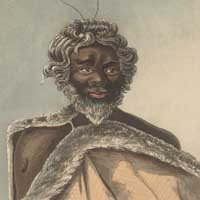
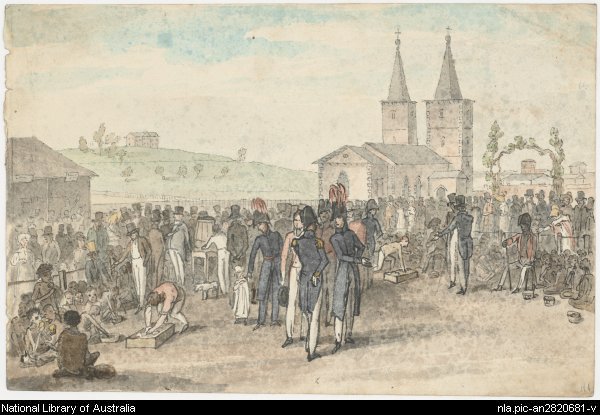
Martial Law was repealed on 11 December, 1824. Seventeen days later Windradyne led a large group of Wiradyuri and neighbouring Fist Nations Warriors to the Governor’s annual feast for Aboriginal people at Parramatta, ‘to make a general peace.’

Augustus Earle, The Annual Meeting of the Native Tribes at Parramatta New south Wales - The governor meeting them.
As Stephen Gapps notes in his book ‘Gudyarra’ “The Wiradyuri received food and blankets and were allowed to return to their homelands unmolested. No treaty was signed, no agreement made. The colonists merely picked up from where they had left off and continued to steal more and more Wiradyuri Country for grazing their sheep and cattle.”
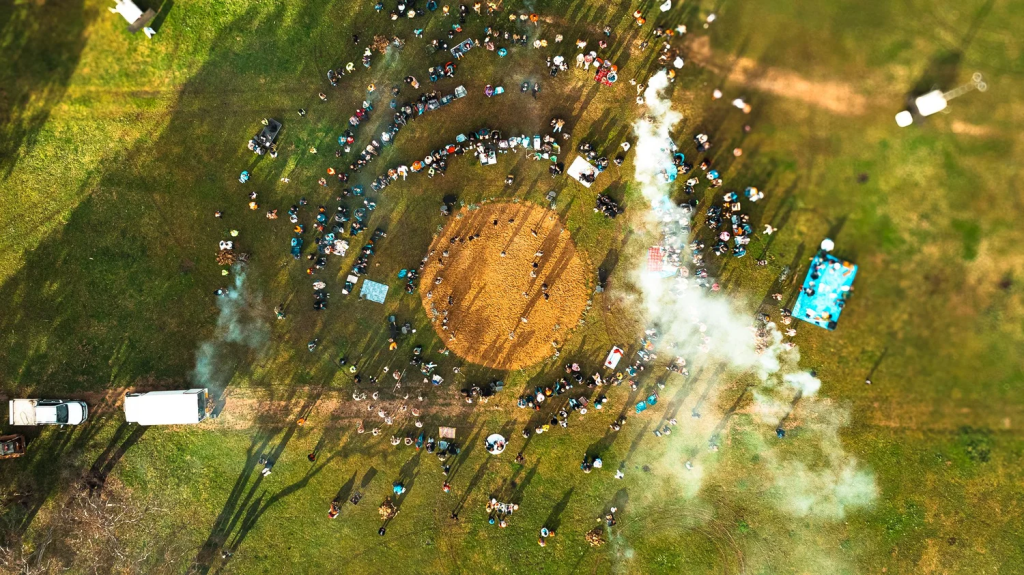
The Commemoration of the Declaration of Martial Law
Each year the community comes together to commemorate the Declaration of Martial Law and to share in truth telling. In 2024 Dhuluny (Dhu-loin):200 years of Wiradyuri Resistance was a series of events commemorating the 200-year anniversary of the declaration of Martial Law on 14 August 1824 and the surrounding frontier violence.
Today, the Bathurst region invites visitors not only to appreciate its landscapes of three rivers, Wambuul (Macquarie), Galari (Lachlan) and Marrambidya (Murrumbidgee), but also to engage with this layered history. The Wiradyuri people have never ceded sovereignty. Their language, culture and lore endure through resilience, pride and abiding commitment to Yindyamarra, respect, to do slowly, to be polite, to be gentle and to have honour.
Understanding this past is vital. It invites recognition of enduring Wiradyuri resilience and acknowledges the continuing importance of Country, culture, and community