


Opening up Inland NSW
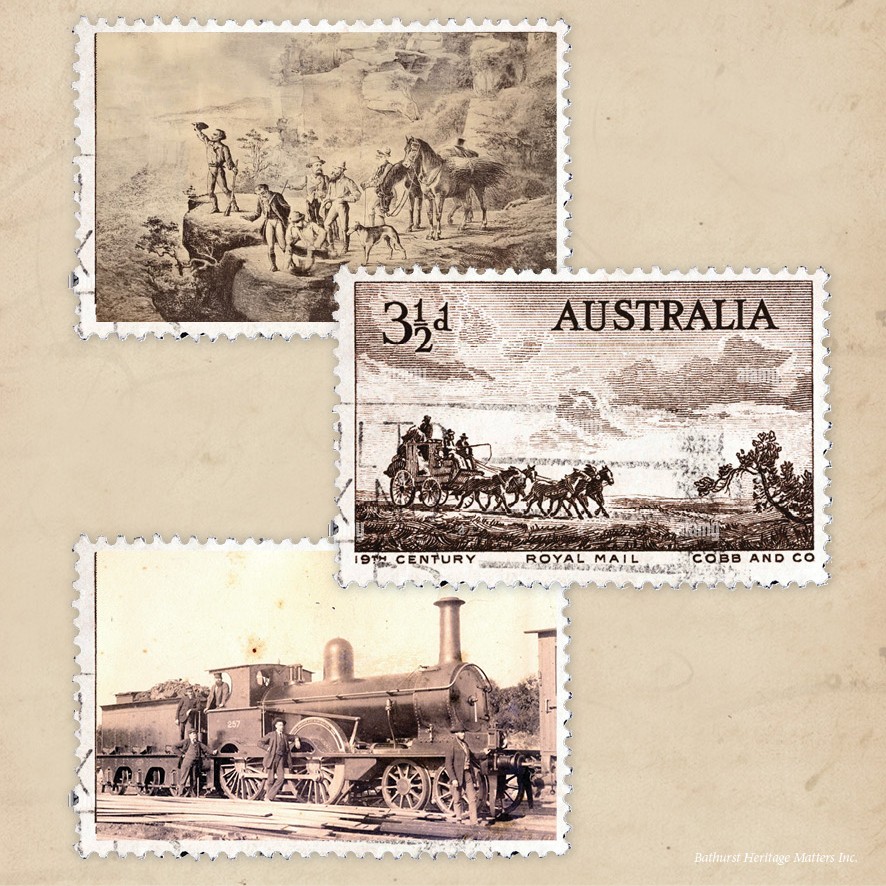
The story of the Bathurst region is a story of connection- of people, ideas and innovation overcoming distance to build inland communities. West of the dramatic sweep of the Blue Mountains, also known locally as The Sandstone Curtain, communication and transport have shaped daily life for generations. <br>
Long before European settlement, the Wiradjuri people sustained rich cultural networks across Country through oral traditions, shared knowledge and enduring connections to land. Their story forms the foundation of the region’s heritage. <br>
“For the Wiradjuri, the Gundungurra, the Darug people, the Mountains were a natural point of contact. One result was that there was widespread knowledge of how to attain the table-top from the plains and valleys…” /(Ian Jack – The Significance of the Route Across the Blue Mountains)
Postal services
In the early nineteenth century, isolation defined colonial life. Letters travelled by horseback or with passing travellers, and a journey to Sydney could take days — sometimes weeks.
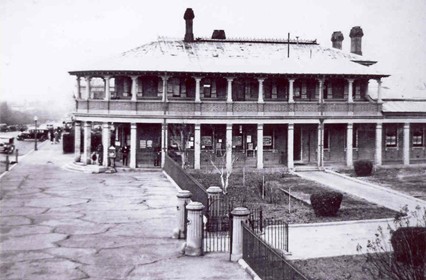
The establishment of postal services transformed the district. In 1828, Bathurst became home to Australia’s first post office west of the Great Dividing Range, a milestone that signalled growing permanence and ambition.
As settlements expanded, particularly during the gold rush era, post offices appeared throughout the district — in inns, general stores and private homes. These were far more than places to collect mail; they were centres of news, conversation and community life.
Cobb & Co
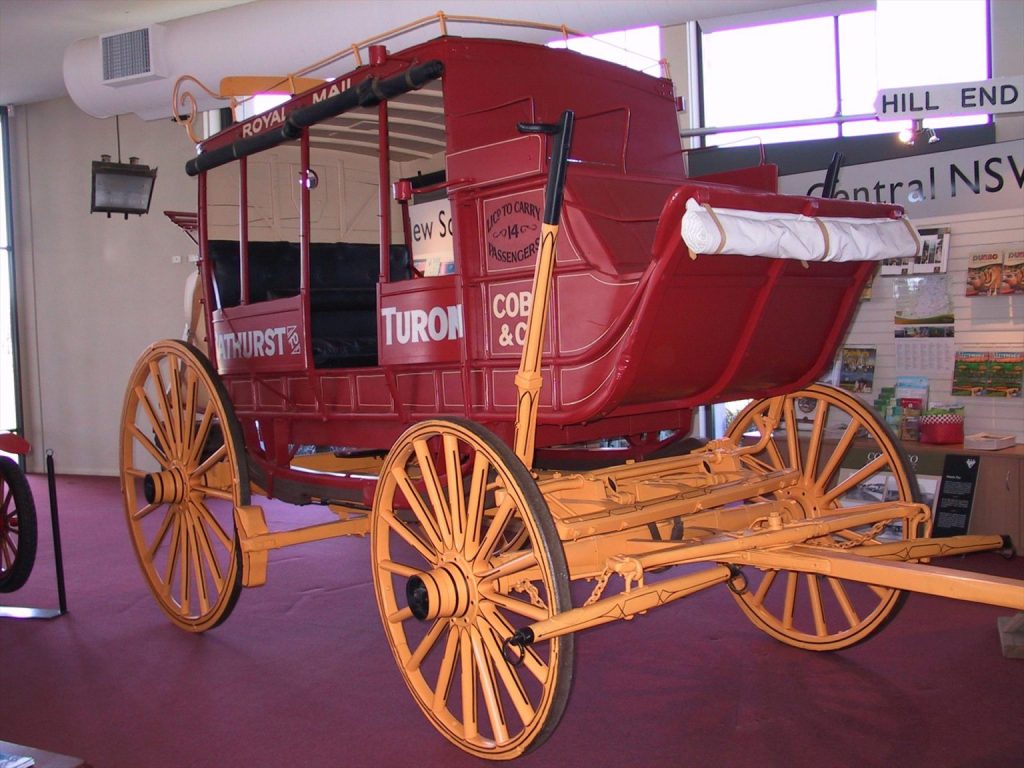
Transport links proved equally transformative. The legendary coaches of Cobb & Co forged vital routes between Bathurst, Sydney and the goldfield towns.
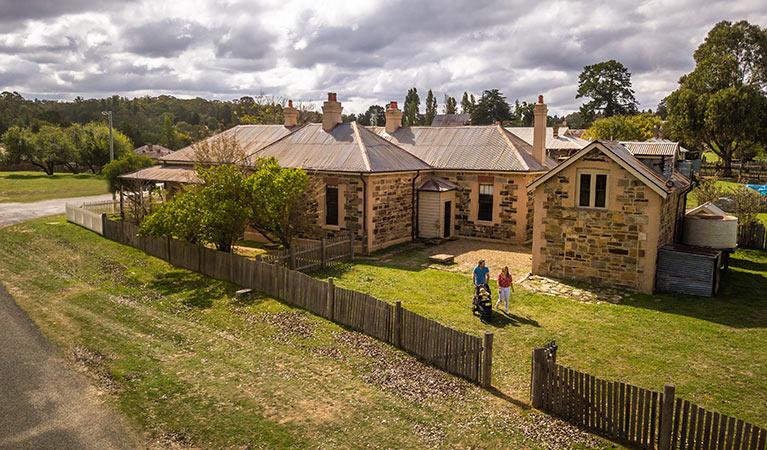
In 1862, the company’s headquarters were transferred from Victoria Bathurst, an initiative of James Rutherford. It was designed to follow the goldfield trade. At that stage, Bathurst was an important centre for business and trade.
Cobb & Co established the first of five coach works, both to supply its own transportation and as a commercial venture. Coaches were adapted from the American Concord design and were well suited to the Australian terrain. There were six distinct trades involved in coach building: the body maker, the carriage maker, the wheelwright, the blacksmith, the painter and the trimmer.
Carrying mail, passengers and parcels across rugged country, these services dramatically reduced travel times and helped communities such as Sofala, Hill End and Rockley flourish. Along the way, coaching inns and staging posts became lively social and commercial hubs — many of which still welcome visitors today.
The coming of the railway
A new chapter began in 1876 when the Great Western Railway reached Bathurst. Rail transformed the movement of mail, newspapers, goods and people, firmly establishing Bathurst as a regional powerhouse and logistics hub.
Shortly after 9 o’clock the townspeople commenced to exhibit signs of activity. The churches, public buildings, schools, stores, hotels, and many private houses were gay with displays of flags and banners, and there could be seen along the numerous roads stretching across the plains, lines of vehicles and horsemen making their way to the point of rendezvous, Market Square.…. Towards eleven o’clock the procession began to form. The children of the Public, Denominational, and Sunday schools, to the number of 1000, were got together ……The fine band of the Asiatic Circus, driven by a splendid team of horses, meanwhile careered through the town, playing inspiriting airs.
Australian Town & Country Journal
8 April 1876
The arrival of the railway marked a defining chapter in Bathurst’s rich history, transforming the town into a thriving hub of industry and community life. With the establishment of major railway workshops for the maintenance of engines and carriages, Bathurst welcomed an influx of skilled workers and their families. This new community reshaped the town’s social fabric, giving rise to a distinct working-class culture, perhaps most memorably expressed through the formation of a proud railway brass band, whose music became part of Bathurst’s cultural heartbeat.
For decades, railway workers and their families formed a close-knit and influential community, leaving a lasting imprint on Bathurst’s social and political identity well into the 20th century.
The railway’s greatest legacy lay in its power to connect. Where journeys once took days by road, visitors and goods could now travel between Bathurst and Sydney in just a matter of hours. This leap in speed and efficiency opened new opportunities for local producers, enabling the transport of fresh agricultural goods and heavy quarry materials to broader markets.
As a result, the region flourished. Improved transport links encouraged the growth of new industries across the Bathurst region.
Telegraph
Telegraph lines soon followed the railway corridor, shrinking distances even further and connecting inland communities with the wider world.
By 1859, Bathurst had its first telegraph station, ushering in near-instant communication. Later, telephone exchanges — often located within post offices — linked farms, businesses and families, while also creating new employment opportunities, particularly for women.
Local newspapers and radio broadcasting added a shared regional voice, shaping cultural life and strengthening identity across the Central West.
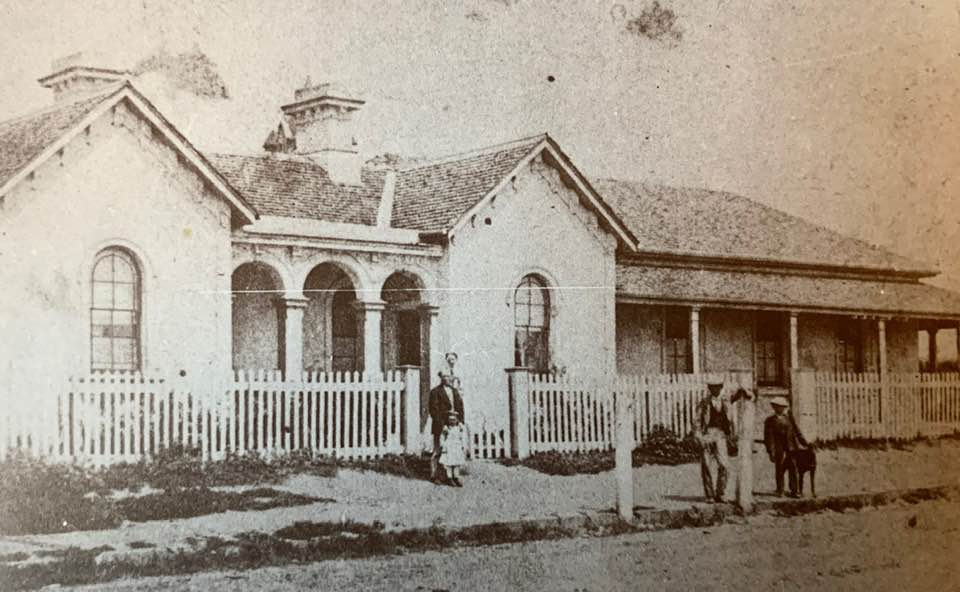
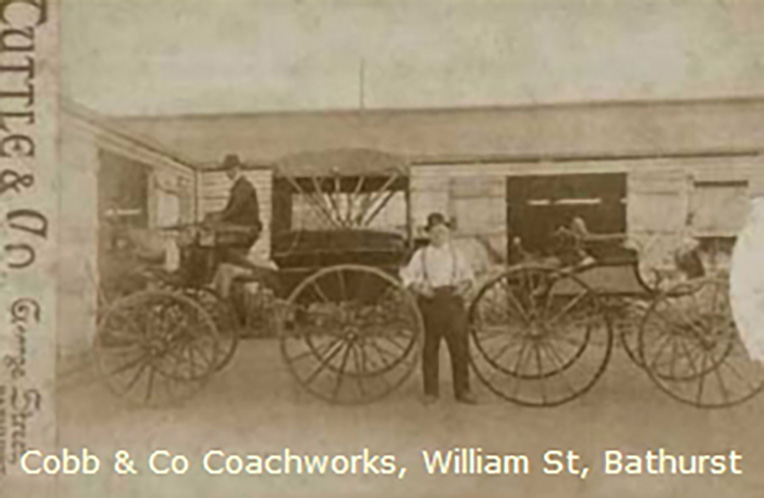
Today, historic railway stations, grand post offices, former telegraph buildings and old coaching inns remain woven into the landscape. Together, they tell a compelling story of resilience, enterprise and human connection.
We invite you to explore the Bathurst region and discover how communication and transport helped transform a remote frontier into a thriving inland centre — and how the echoes of those connections still resonate today.