Convict Bolters and Bushrangers
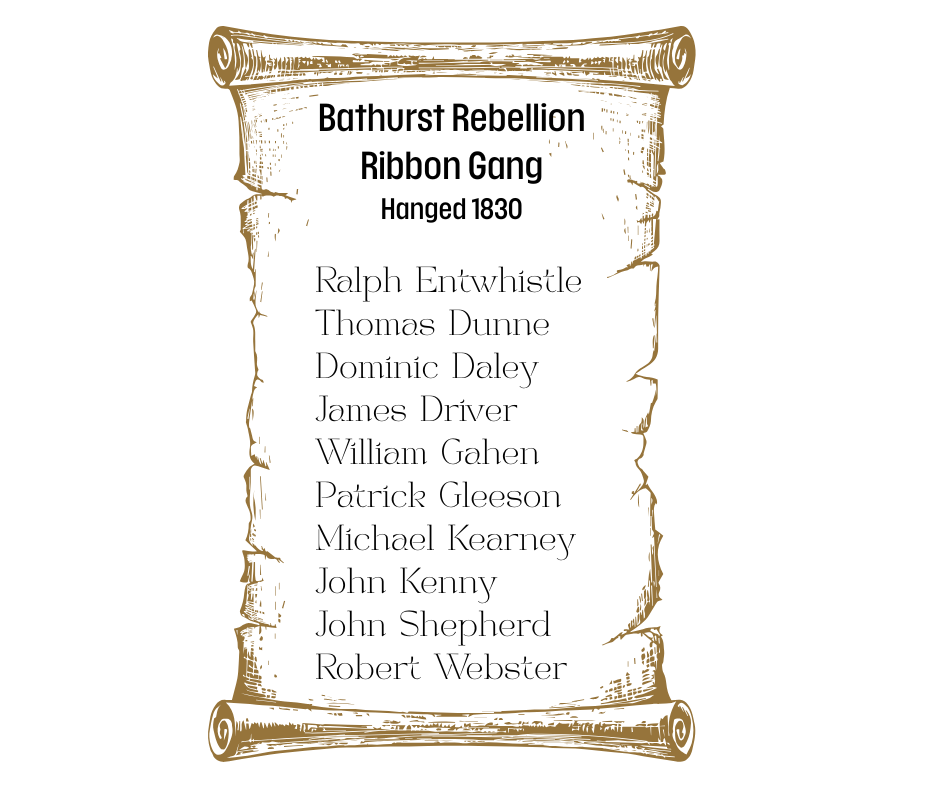
The Ribbon Gang Rebellion
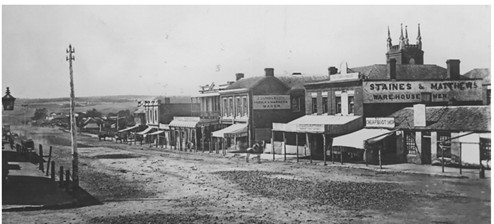
In 1829, just fourteen years after Governor Macquarie declared Bathurst the first inland settlement, life on the frontier was harsh. Settlers occupied Wiradjuri land, martial law had been declared only a few years earlier, and most residents were convicts or ex-convicts carving out new lives.
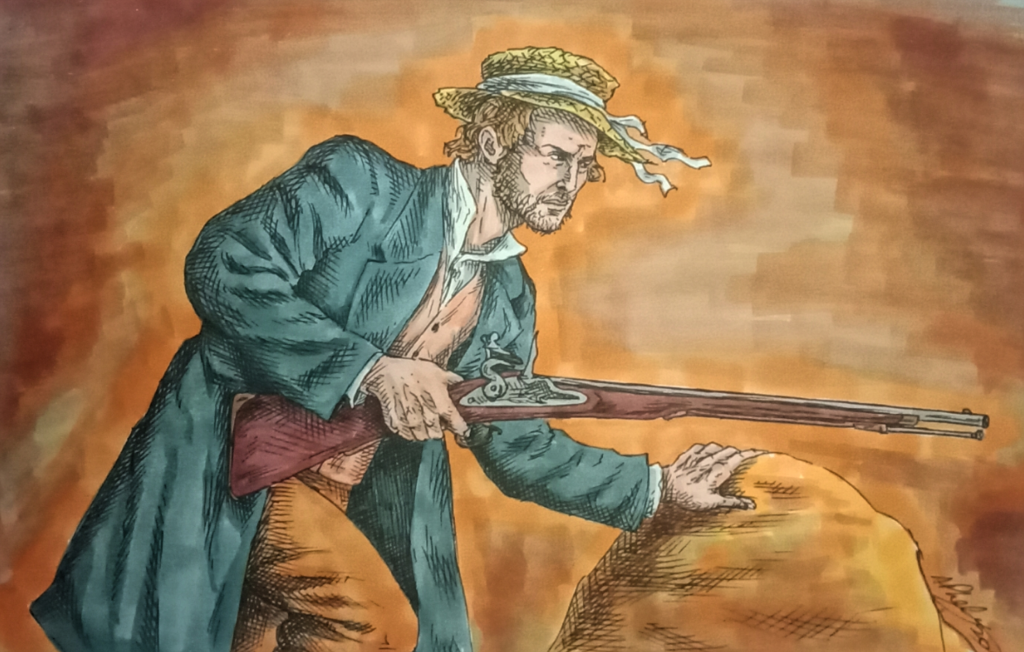
The rebellion began unexpectedly. Ralph Entwhistle, an assigned convict at John Lipscombe’s Fitzgerald’s Valley farm, was driving wool to Sydney when he and fellow convicts stopped to swim in the Macquarie River, right as Governor Darling passed by. Arrested by Bathurst’s Police Magistrate, Lieutenant Thomas Evernden, the men were flogged, and Entwhistle’s long-awaited ticket-of-leave was cancelled.
Ten months later, on 23 September 1830, Entwhistle and a handful of companions escaped, seeking revenge. They raided farms, stole horses and weapons, and recruited other convicts until their numbers reportedly reached 80. Most soon deserted, leaving a smaller, hardened band known as the “Ribbon Gang,” named for the ribbons they wore on their hats.
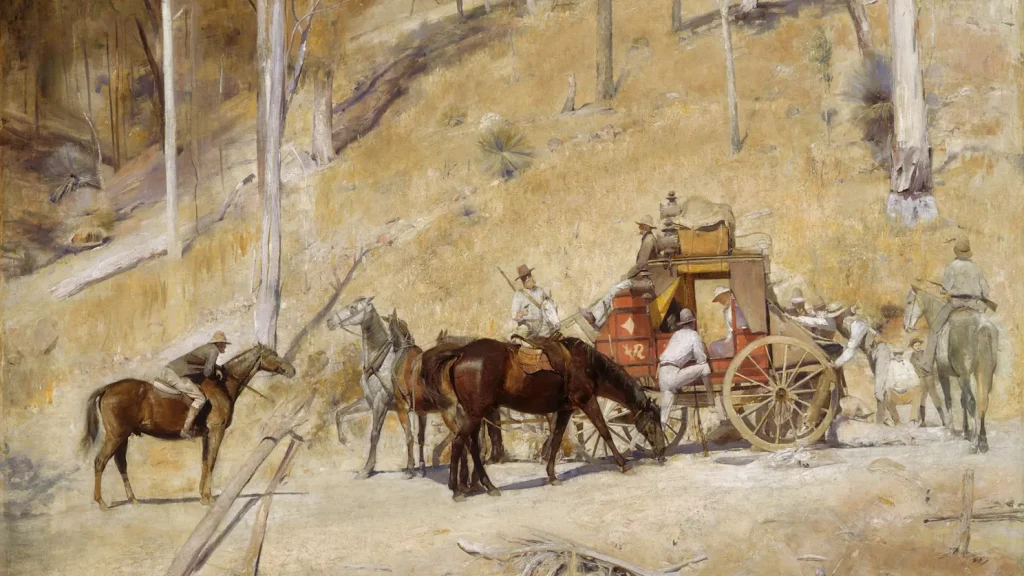
Authorities responded swiftly. Soldiers, police, and a volunteer cavalry pursued the gang across the region. The chase culminated at Bushrangers Hill near Bathurst, where the outlaws were finally overpowered after fierce fighting.
On 2 November 1830, ten captured members were publicly hanged, the first mass hanging west of the Blue Mountains. A wooden gallows was erected in the town square, and the bodies were displayed on gibbets as a warning to others.
Ben Hall - The Notorious Bushranger
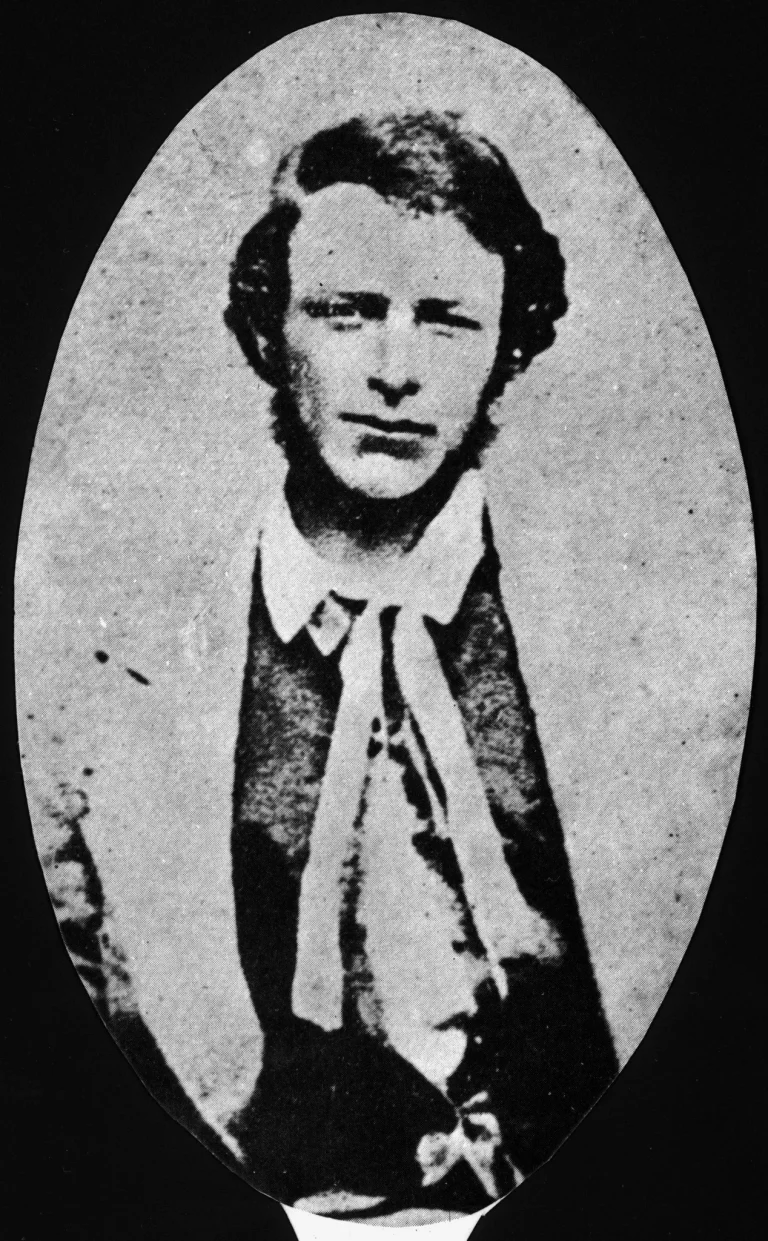
By the 1860s, the gold rush had transformed the central west of New South Wales. Among the settlers was a young stockman, Ben Hall, who leased 10,000 acres at Sandy Creek near Wheogo.
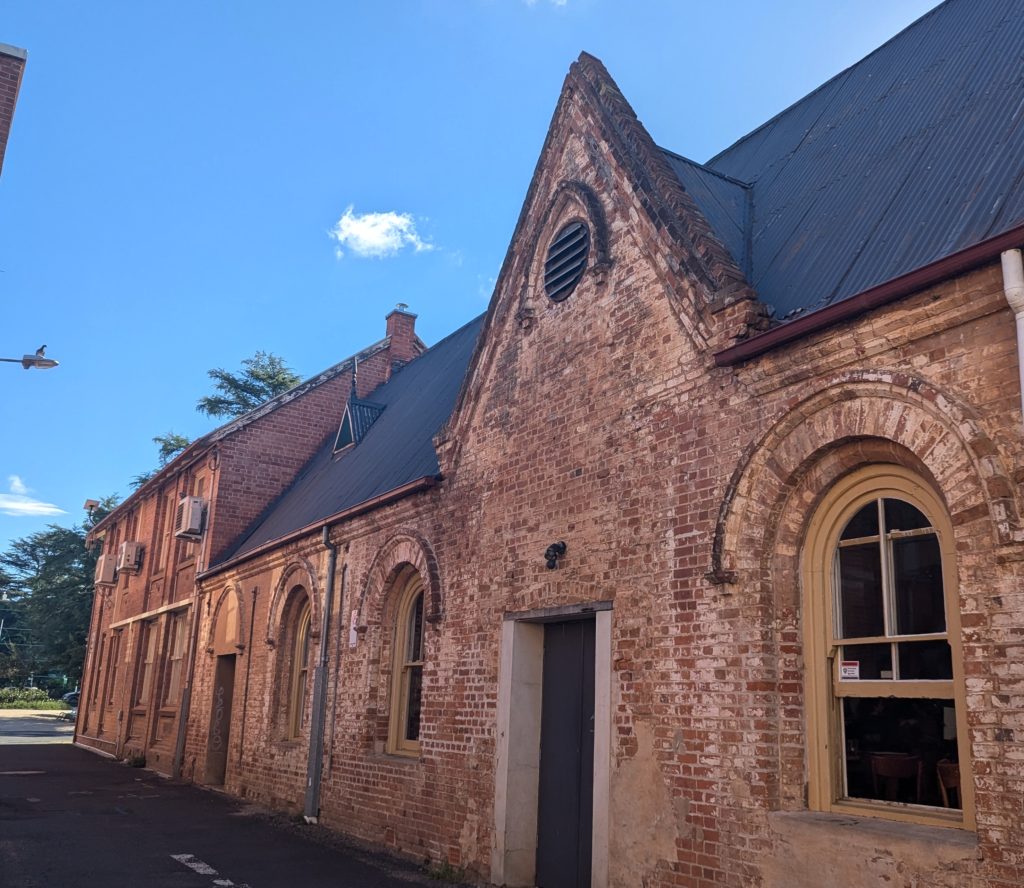
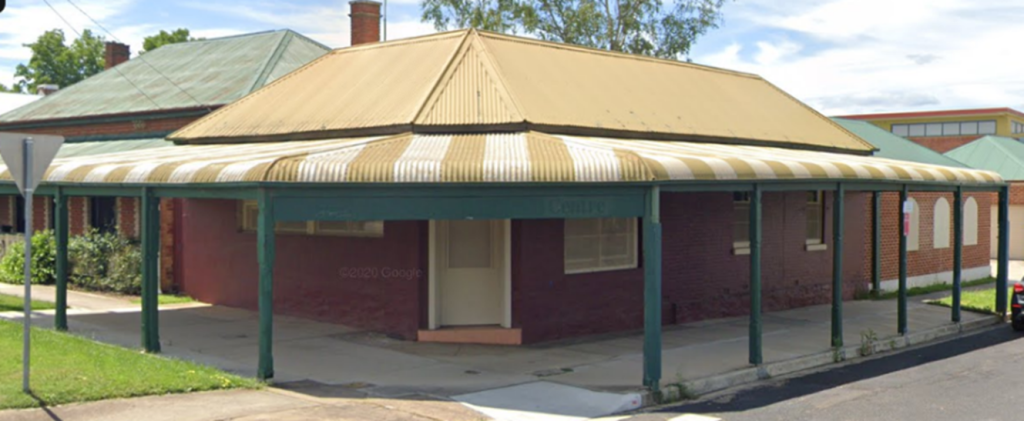
On 29 February 1856, he married Bridget Walsh at St Michael’s Church, Bathurst, celebrating at Crilly’s Hotel—a building still standing today on the corner of Bentinck and Piper Streets.
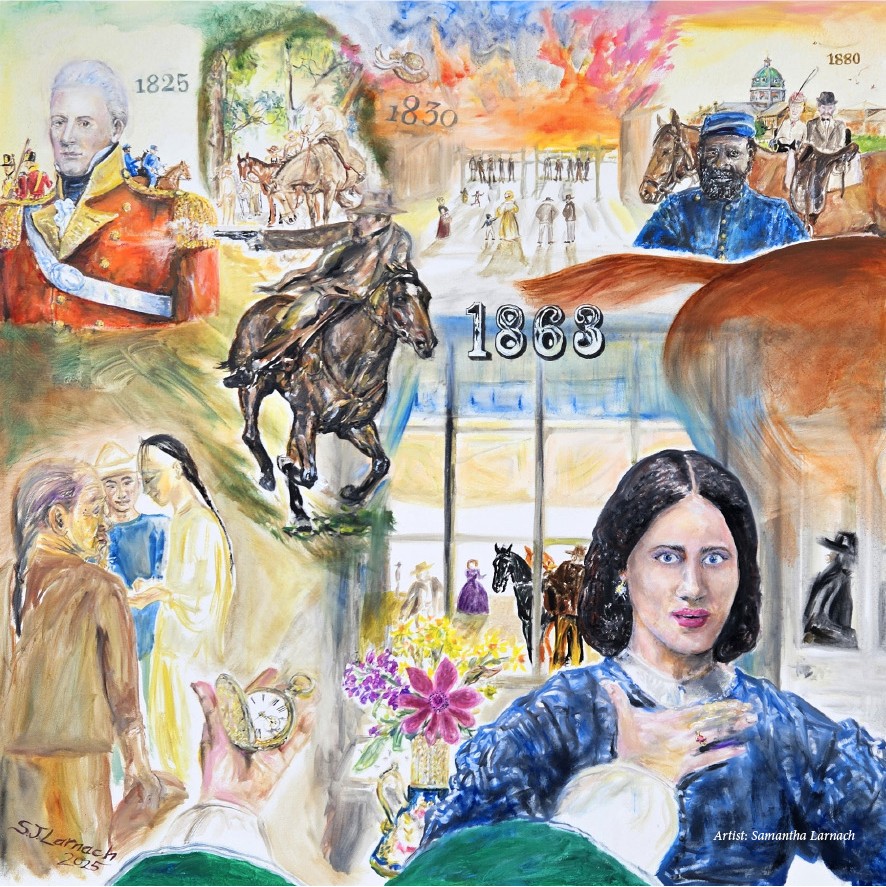
Soon, Hall fell in with infamous bushrangers Frank Gardiner, John Gilbert, and John O’Meally. Between 1862 and his death in 1865, Hall’s gang carried out hundreds of robberies across the region. Their most daring act was the Eugowra Rocks gold escort robbery in June 1862, the biggest gold heist in Australian history.
In 1863, the gang rode boldly into Bathurst in the infamous ’Bathurst Raid’. They attempted to seize weapons at Pedrotta’s Store, steal jewellery, and even a prized racehorse, but left town empty-handed. On the road out, they robbed several inns and homesteads.
Later that year, they attacked Gold Commissioner Henry Keightley at his Dunns Plains homestead at Rockley. When gang member Burke was killed, Hall demanded a £500 ransom for Keightley’s life. His wife, Caroline Keightley, heroically rode to Bathurst to raise the money and save her husband.
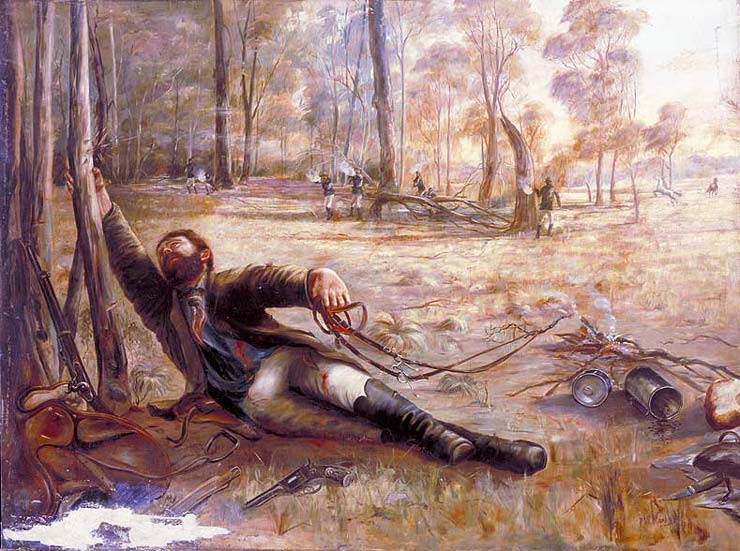
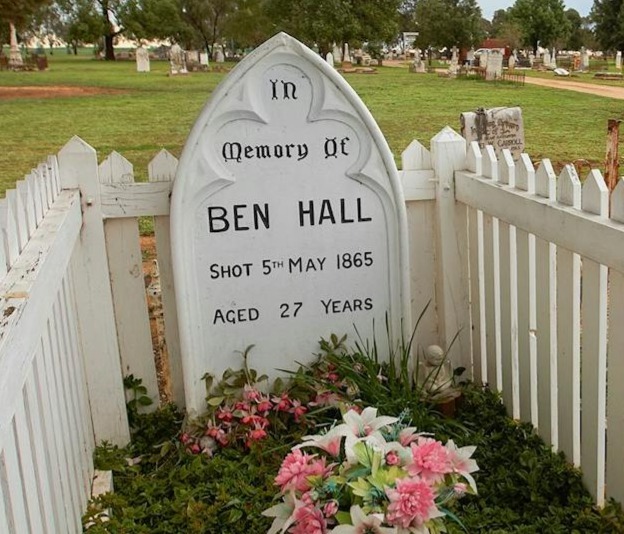
Ben Hall was buried in Forbes Cemetery, remembered as one of Australia’s most legendary bushrangers, part hero, part outlaw, forever woven into the folklore of the area.