Agriculture
Long before the Bathurst Plains were crossed by European settlers, they were part of the vast and vibrant world of the Wiradyuri people, the People of the Three Rivers, the Bila Wambuul (Macquarie), Galari (Lachlan) and Marrambidya (Murrumbidgee).
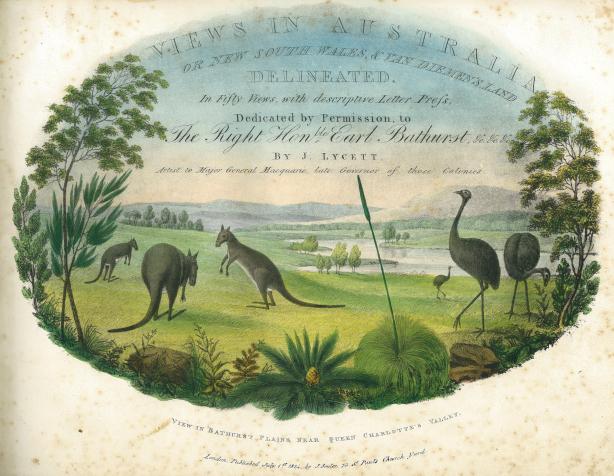
For tens of thousands of years, the Wiradyuri shaped the land through careful fire and water management. Seasonal burning created open, park-like grasslands that attracted native grazers such as kangaroos, while rivers and plains were carefully tended for food and ceremony.
Early explorers mistook this landscape for wilderness, not realising they were walking through country long managed and sustained by its First Peoples. Land, for the Wiradyuri, was not owned or traded but held in kinship- inseparable from identity and spirit.
Following George Evans explorations in 1813, and the then newly built Cox’s Road, in 1815 Governor Lachlan Macquarie crossed the Blue Mountains and declared the Bathurst Plains open for settlement, imagining the region as the “larder of the colony.”
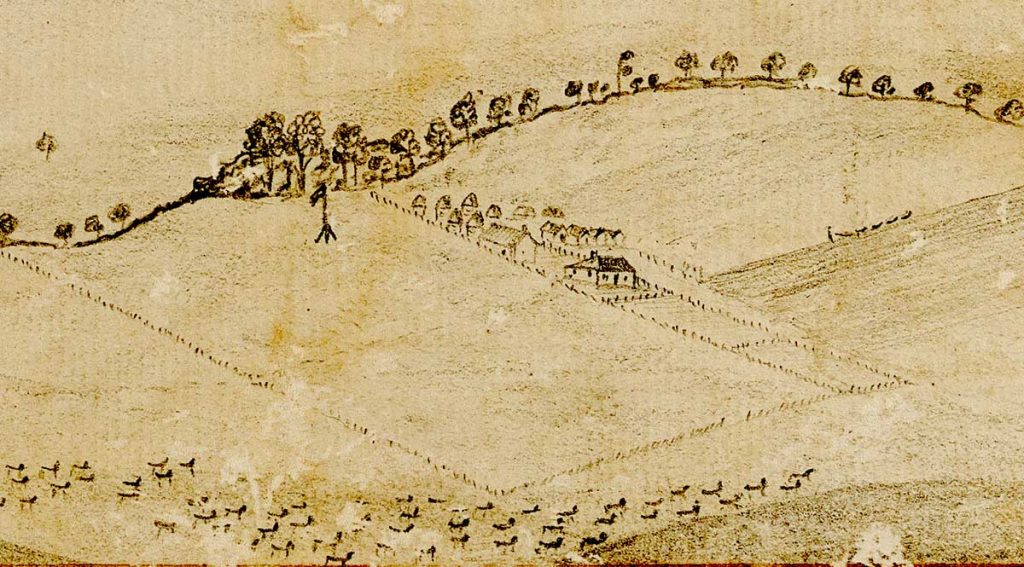
Within a few short years, European flocks and herds grazed where kangaroos had once roamed.
was dedicated to the Honourable Earl Bathurst. National Museum of Australia – Joseph Lycett
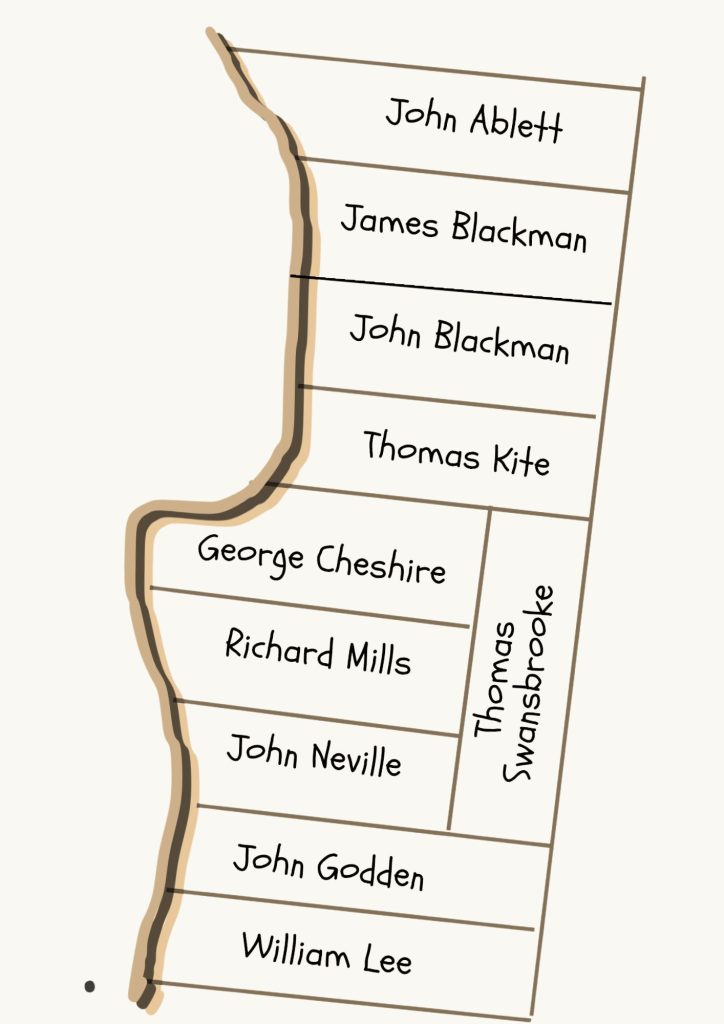
The First Ten Settlers
In 1818, Macquarie selected the first ten settlers, granting them farms, seed wheat and cattle. Among them were men like Thomas Kite and William Lee, whose families would go on to establish significant pastoral holdings.
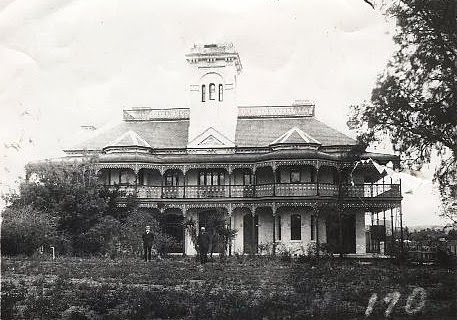
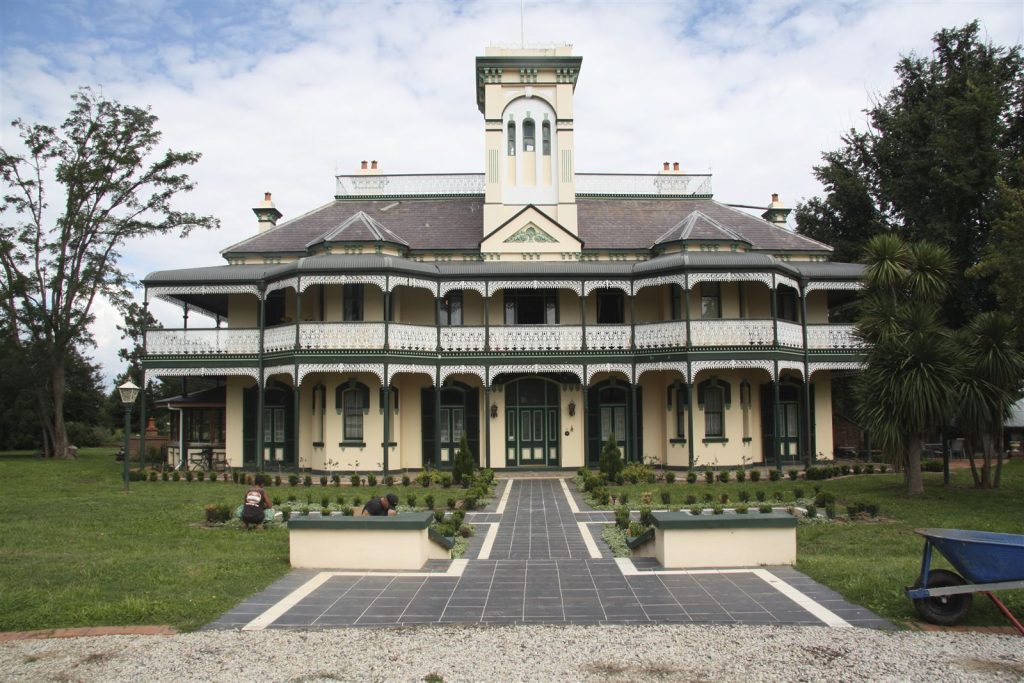
In 1812 Thomas Kite was sentenced to die in a London court for stealing a five pound note. Commuted to a life sentence, he was transported to Australia as a convict. Within twenty years he became wealthy landowner and a prosperous businessman. Thomas Kite built the original Woolstone and his son William built the home we see today.
By the 1820s, Bathurst had become the heart of inland agriculture. Cattle increased from 6,000 to 22,000 in four years; sheep from 27,000 to over 90,000. Forests were cleared, wetlands drained and the landscape transformed. As Judge Barron Field observed in 1822, “the stockmen hunt the kangaroos, and the cattle and sheep supplant them.” The Wiradyuri were left with ever-diminishing resources and space, their Country forever changed.
Throughout the nineteenth century, Bathurst grew into a flourishing agricultural hub.
Wheat and wool sustained the district, while market gardens along the Macquarie River – many cultivated by Chinese settlers after the gold rush – supplied fresh produce to a growing population.
Pastoral life also shaped Bathurst’s character. Horse breeding became a source of local pride, with George Lee’s Leeholme stud producing Merrywee, winner of the 1892 Melbourne Cup.
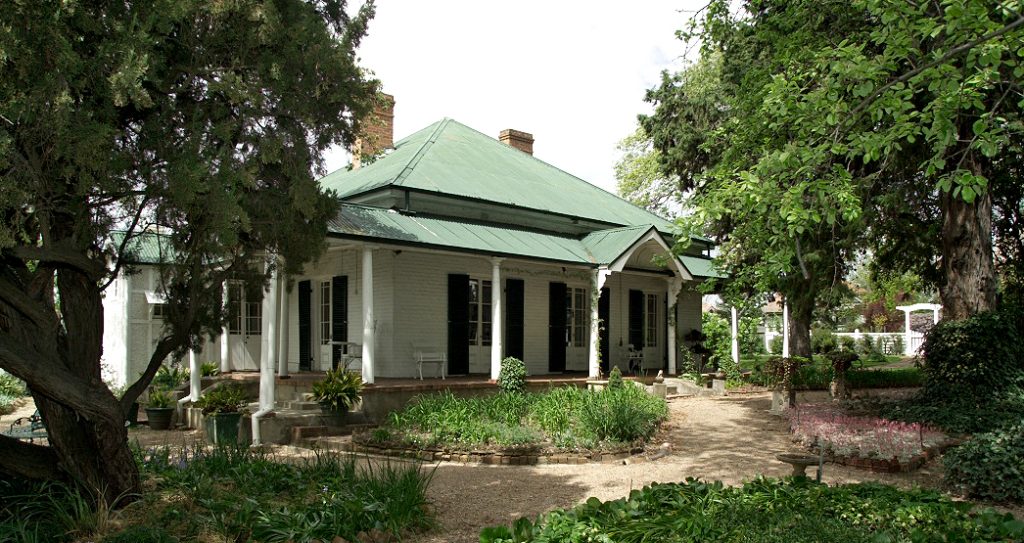
Today, visitors to Miss Traill’s House and Garden can still trace this rich lineage through family artefacts and racing memorabilia.
Orchards followed, aided by the Bathurst Experiment Farm (1895), which taught modern techniques and helped pioneer commercial fruit growing and agriculture. From 1897 to 1941, the Farm School trained over 850 students in practical and theoretical agriculture.
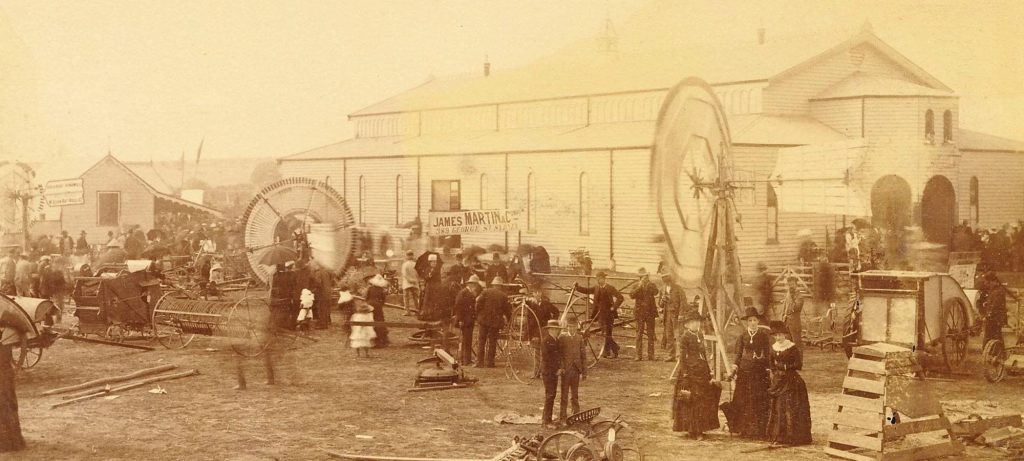
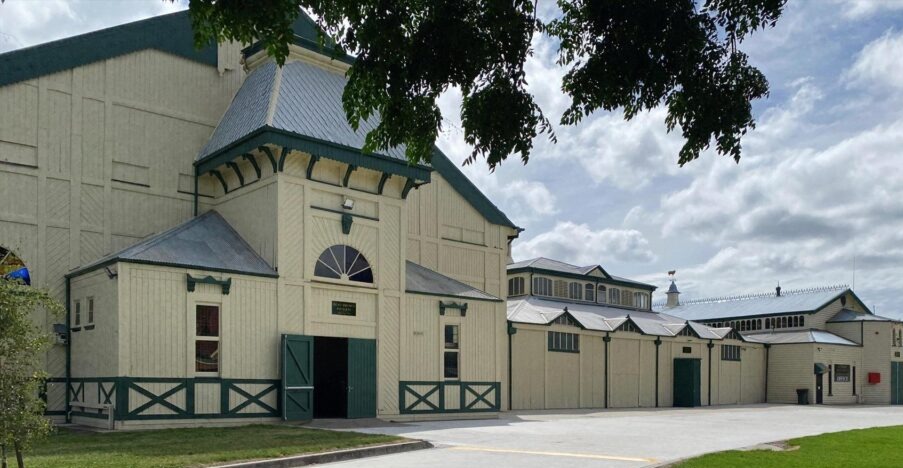
The community’s connection to the land was celebrated from 1860 at the first agricultural show in nearby O’Connell, an event that grew into the Royal Bathurst Show, still held annually and drawing thousands from across the Central West.
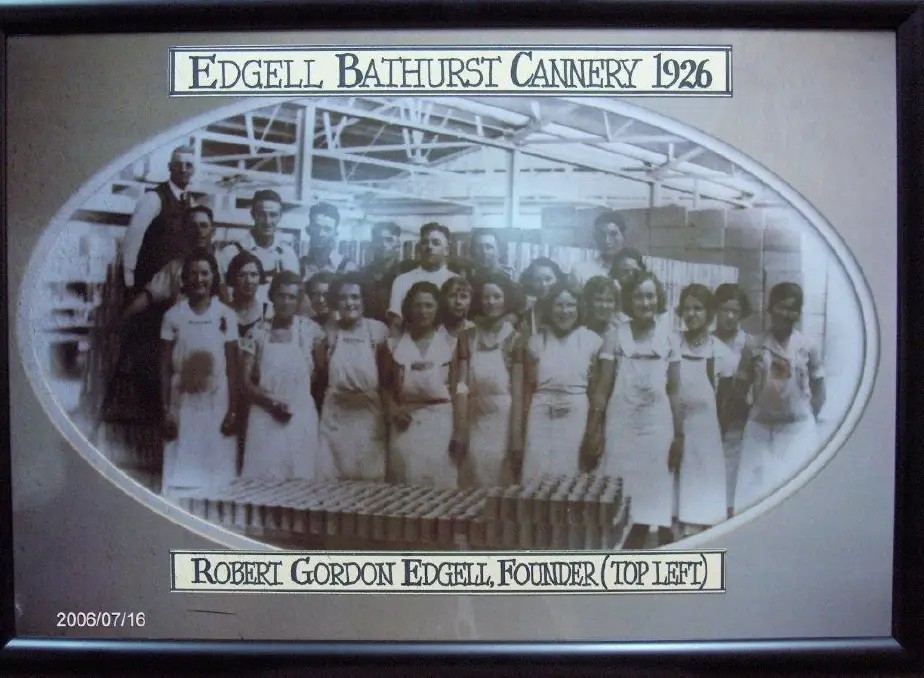
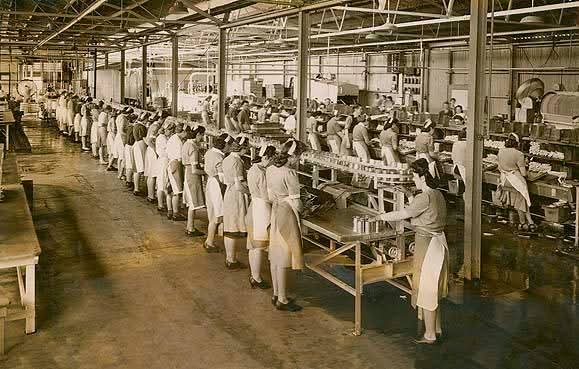
Innovation continued into the twentieth century. In 1926, Robert Gordon Edgell founded his cannery at Bradwardine, pioneering the large-scale processing of locally grown vegetables. His vision transformed small-farm market gardening into a national industry that continues under the Edgell name.
Today, Bathurst remains deeply rooted in its rural heritage. Livestock and grazing is the region’s dominant sector. Beef cattle and sheep (for both meat and wool) account for roughly 50% of the total agricultural output value. Common winter crops grown in the area include wheat, barley, oats, and canola. Exports for the region are primarily driven by forestry and logging.
Visitors can explore this living legacy through farm stays, country shows and artisanal distilleries, where the stories of endurance, ingenuity and care for the land still thrive, echoing the spirit of those who have shaped Bathurst for over 60,000 years.