Wiradyuri Country

01 Website Tile

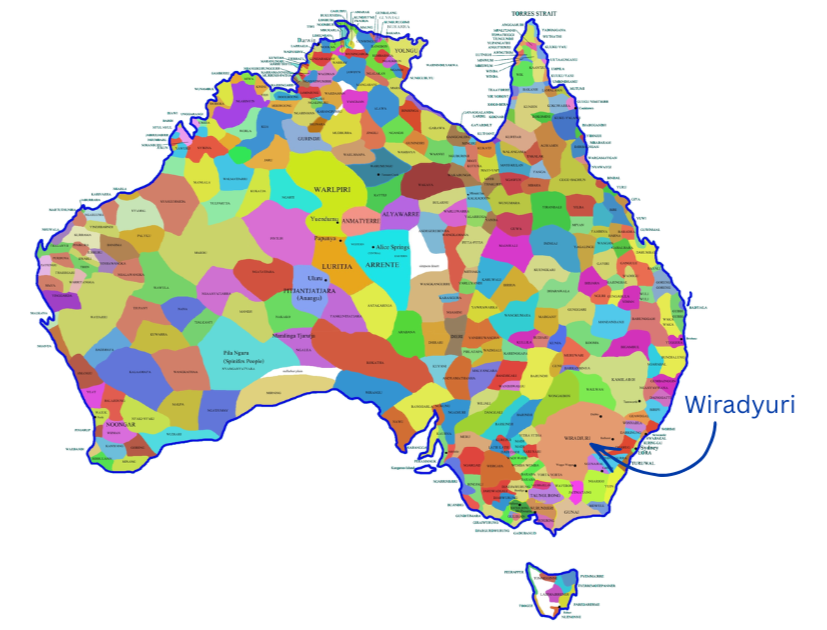
Prior to colonisation, Wiradyuri Mayiny (people) have cared for one of the largest First Nations Countries in south-eastern Australia, spanning the rich inland plains and river systems of what is now central New South Wales. At the heart of this Ngurambang (Country) lies the Bathurst region, known to Wiradyuri Mayiny as part of a deeply storied landscape shaped by Ancestral beings and sustained and maintained through thousands of years of cultural knowledge and sustainable land management practices

Wiradyuri Mayiny are often called the “People of the Three Rivers,” a reflection of their enduring relationship with the Wambuul (Macquarie River), Galari (Lachlan River), and the Murrumbidya (Murrumbidgee River).

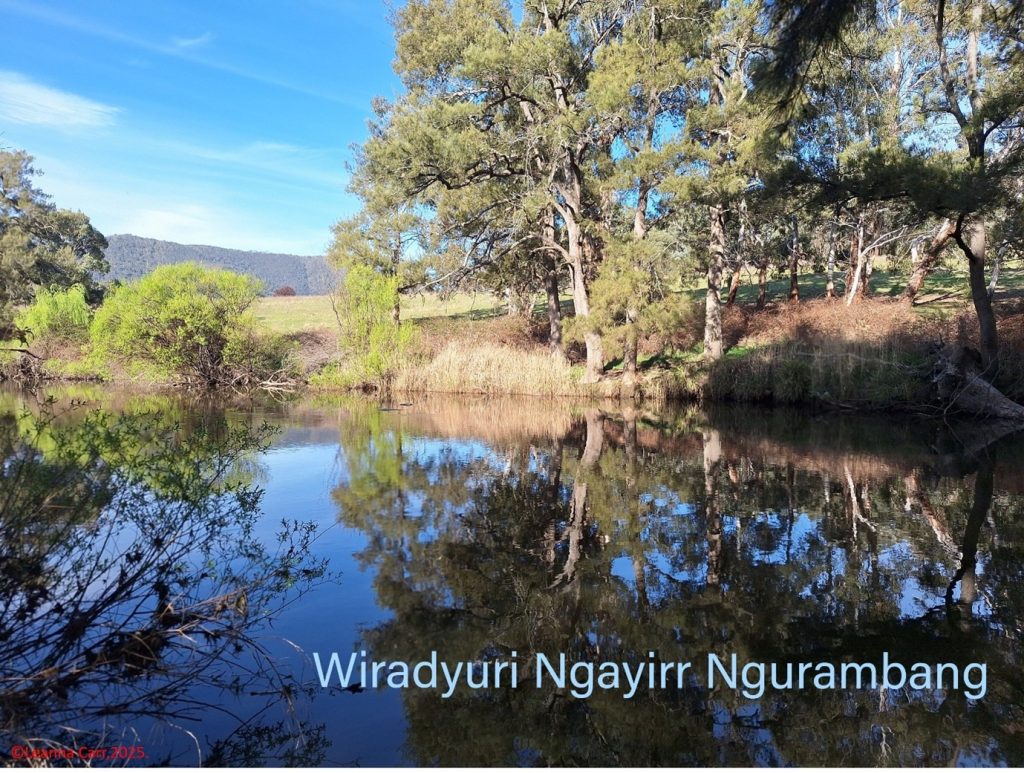
In the Bathurst area, the Wambuul (meaning meandering, winding river) winds across fertile plains beneath the slopes of Wahluu/Mount Panorama, creating a landscape of open grasslands, river flats, and forested ridges. Long before European invasion, this was a thriving cultural landscape, carefully managed, spiritually significant, and rich in food resources.

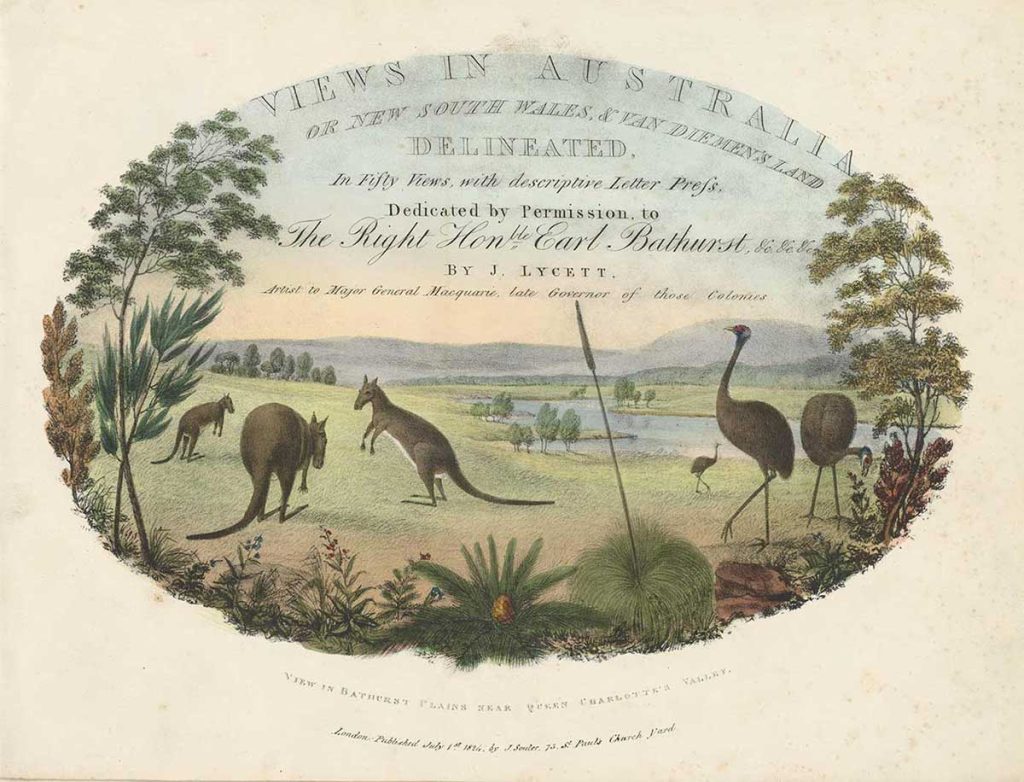
Seasonal movement defined Wiradyuri life. Families gathered along the Wambuul to fish, collect freshwater mussels, and harvest reeds for weaving. The surrounding plains provided kangaroo and emu, while yam daisies and native grains were cultivated and harvested using sophisticated land management techniques.

Cultural burning practices maintained healthy grasslands, promoted biodiversity, and ensured the land remained productive. What early colonists later described as “park-like” countryside was in fact the result of generations of ecological stewardship.

A European perspective in ‘View in Bathurst Plains near Queen Charlotte’s Valley’ 1824 by J. Lycett National Museum of Australia

Spirituality infuses every feature of the Bathurst landscape. In Wiradyuri belief, the Dreaming recounts how Ancestral beings shaped the rivers, hills, and plains, establishing lore and guiding relationships between people and Country. Baiame, a powerful creator figure in south-eastern Aboriginal traditions, is associated with the formation of landforms and the giving of cultural lore.

Sacred sites across the Bathurst region, waterholes, ceremonial grounds, and prominent hills, remain places of deep spiritual presence. Songlines cross the plains, encoding navigation, seasonal knowledge, and story into memory through song, dance, and art.
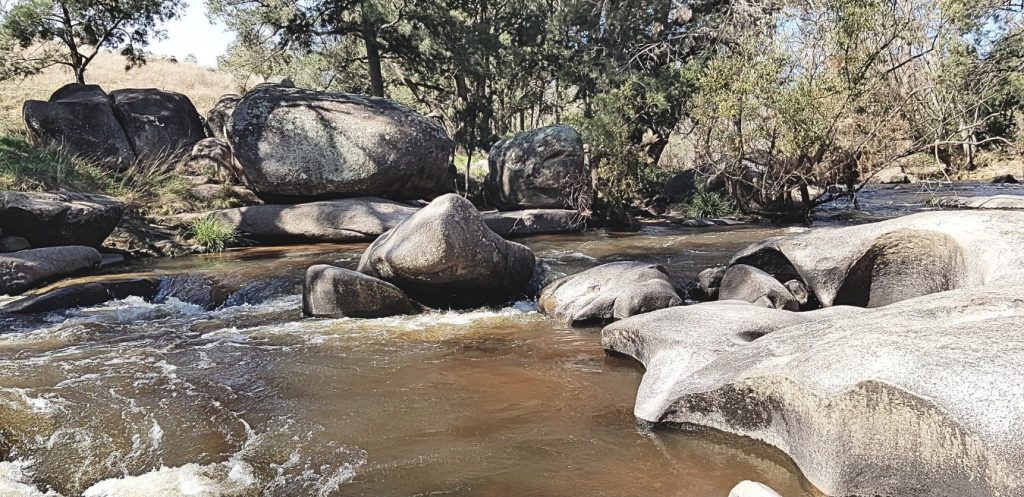
Biladurang Guyabanha Ngurang - Platypus Resting Place A dreaming story for the Bathurst Wiradjuri is the origin of the platypus near Flat Rock on the Fish River (upper Wambuul)
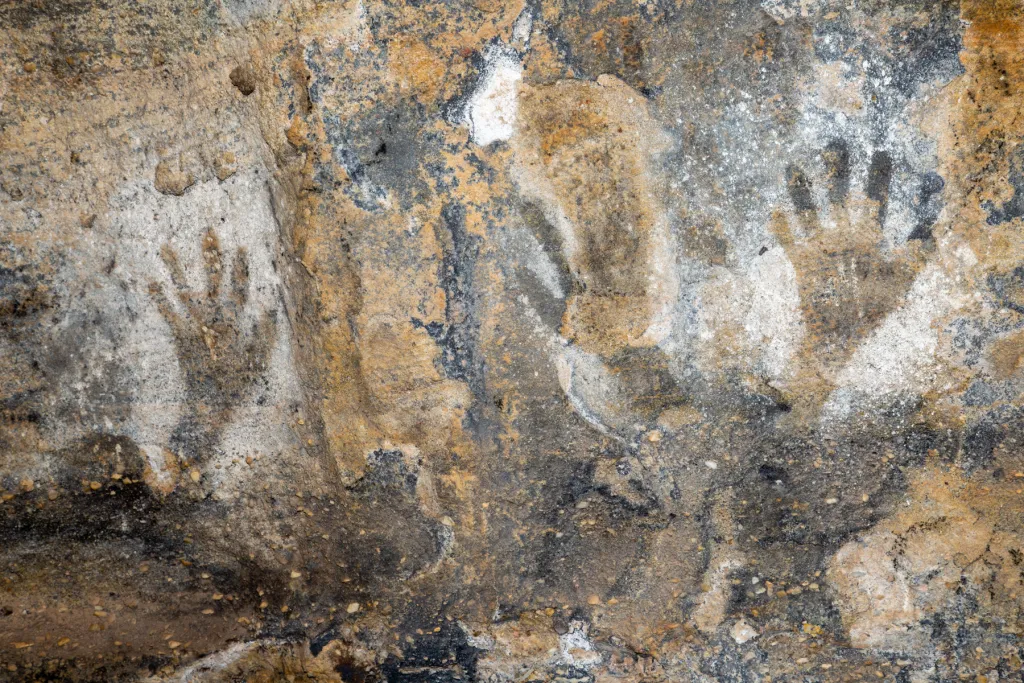
Mayinygu Marragu - Many people's hands was once a meeting place, ceremonial area and educational site or the Aboriginal people of the area

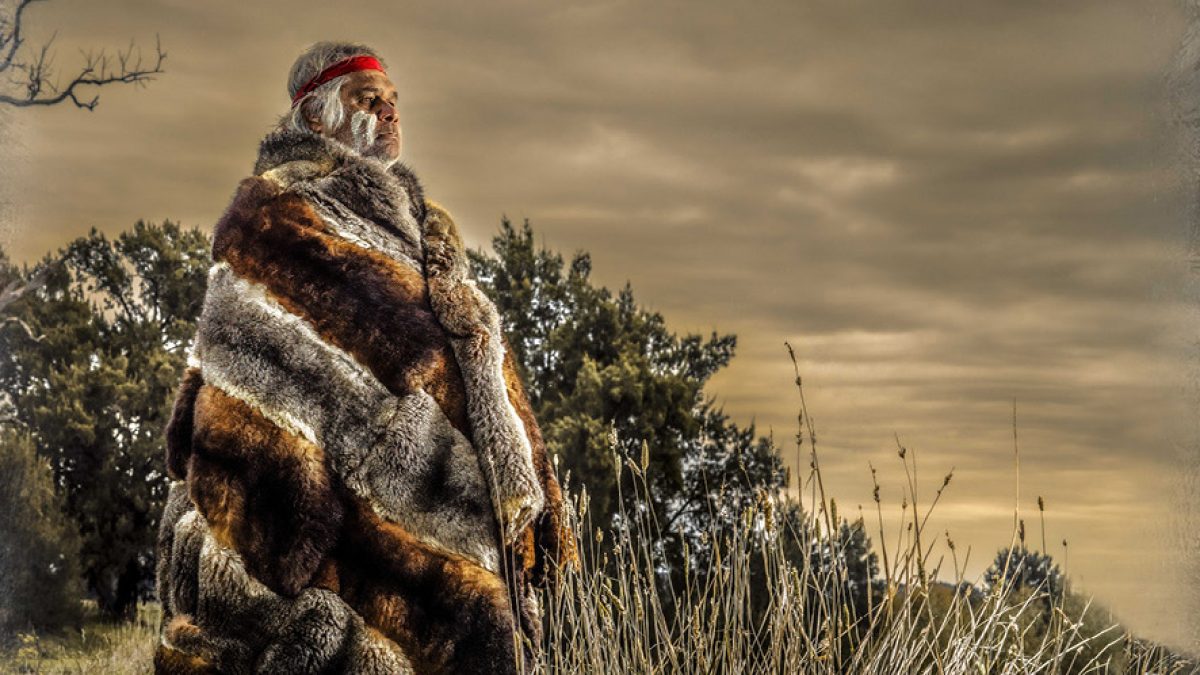
Totemism forms a vital part of Wiradyuri identity. Individuals and clans are connected to particular animals, plants, or natural elements, creating a network of responsibility and respect. A totem is not simply a symbol; it defines obligations to care for that species or feature of the landscape. Through these reciprocal relationships, environmental balance was sustained and cultural lore upheld.

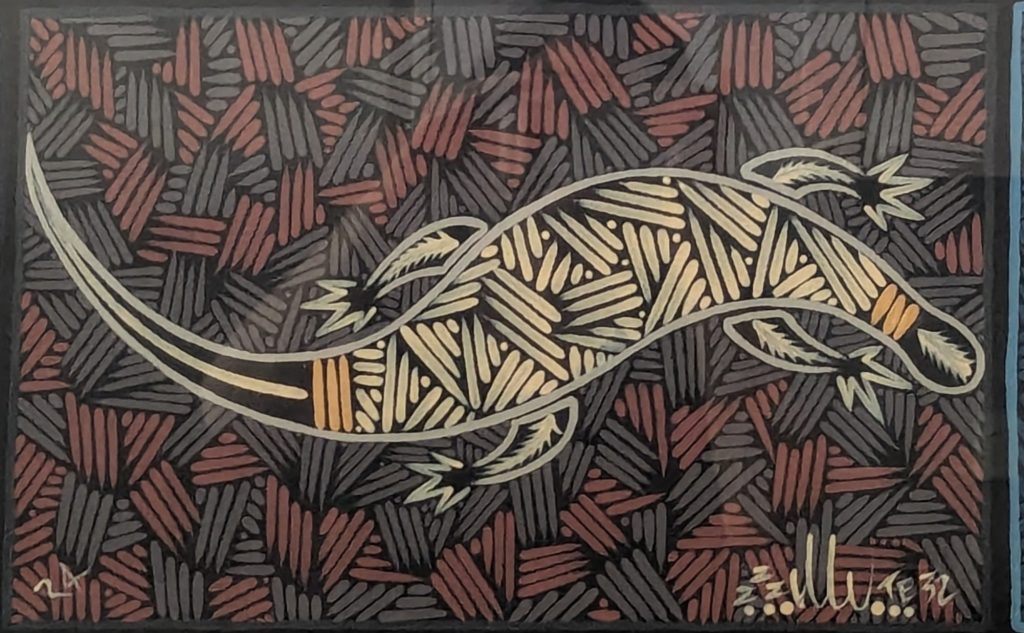
The significant totem which signifies the shared identity of all Wiradyuri/Wiradjuri people is the dhuliiny (lace monitor or tree goanna).

The Bathurst plains is also an ancient meeting place. Large gatherings of people from many of the surrounding First Nations occurred for ceremony, trade, marriage arrangements, and the initiation of young people into adulthood. These events strengthened alliances across neighbouring Nations and reinforced shared lore and custom. The Wiradyuri language carries intricate ecological knowledge, with place names describing the character and meaning of each part of Country.

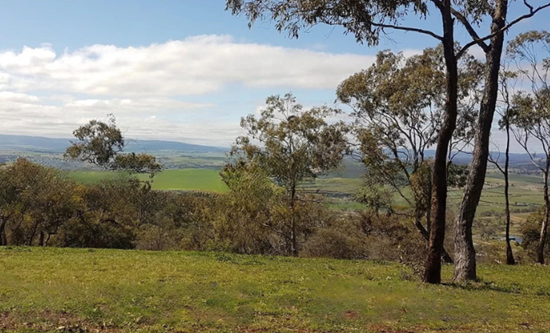
Looking out from Wahluu (Mt Panorama) - The site has ancient and ongoing cultural significance.

On the eve of colonisation, including the 1813 crossing of the Blue Mountains that would soon bring profound change to the Bathurst district, Wiradyuri society was dynamic, organised, and deeply connected to land and spirit.

Today, visitors to the Bathurst region are invited to see beyond its colonial heritage and recognise a far older story, one of enduring culture, custodianship, and belonging that continues to shape this remarkable landscape.