Education _ A Social Revolution
Education has long been central to the Bathurst Regional Council area, shaping both its history and modern identity. The region’s heritage buildings and sites reflect a rich tapestry of learning that stretches from Wiradjuri culture to contemporary institutions. Before European settlement, the Wiradjuri people passed down practical and ceremonial knowledge at significant local sites.
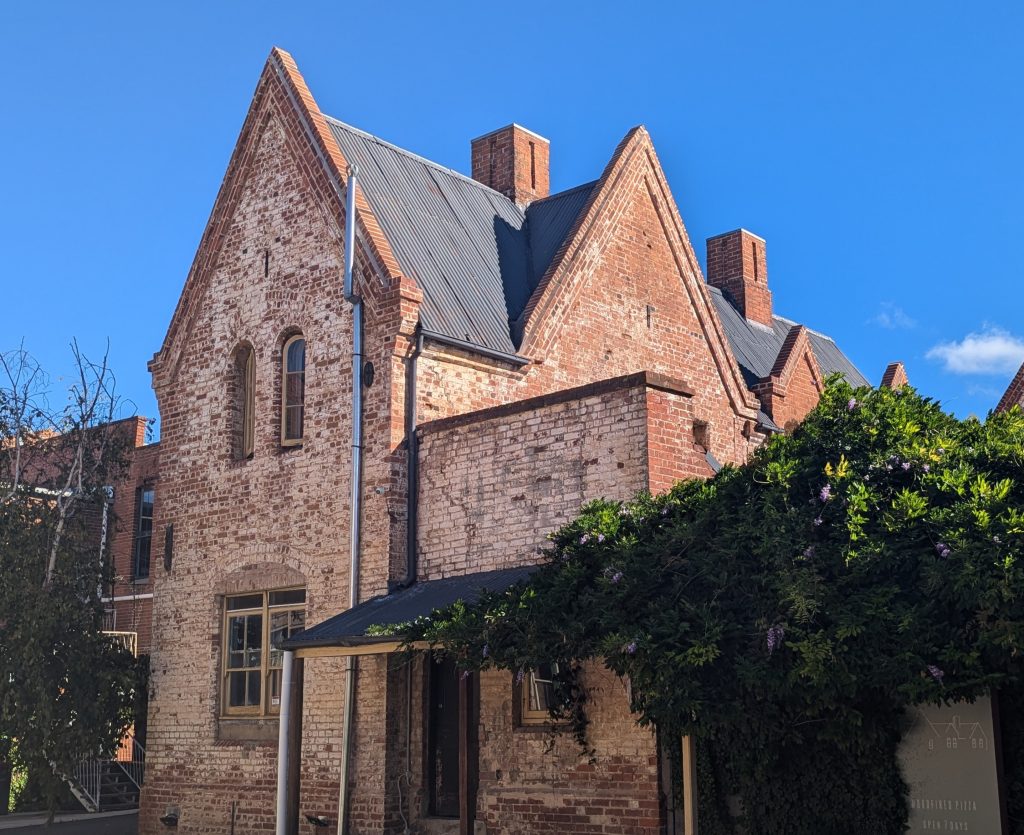
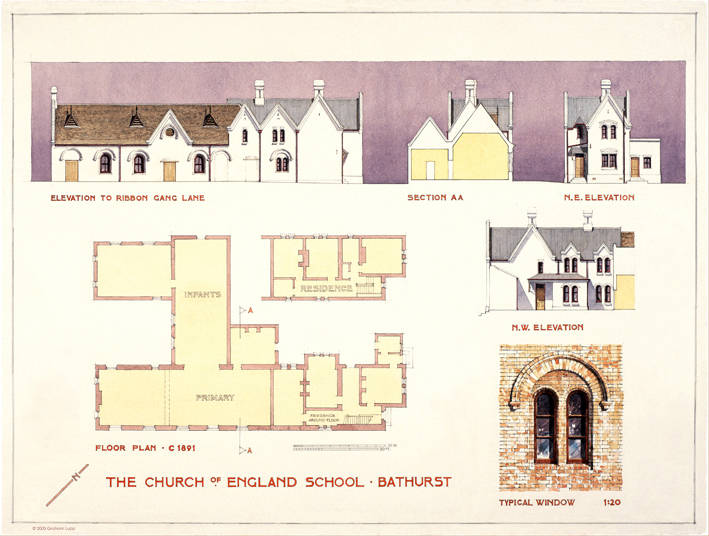
European-style education in Bathurst began in the 1820s, led by the Church of England. Reverend Thomas Hassall opened the first school in Kelso in 1826, the first west of the Great Dividing Range. Other early schools followed, including a Bathurst Church of England school, now the Church Bar & Pizza on Ribbon Gang Lane.
Private and denominational schools—Presbyterian, Methodist, and Roman Catholic—soon emerged, offering education to a select few. Many children, particularly those in rural areas, were educated at home or through correspondence, a tradition that endured well into the 20th century.
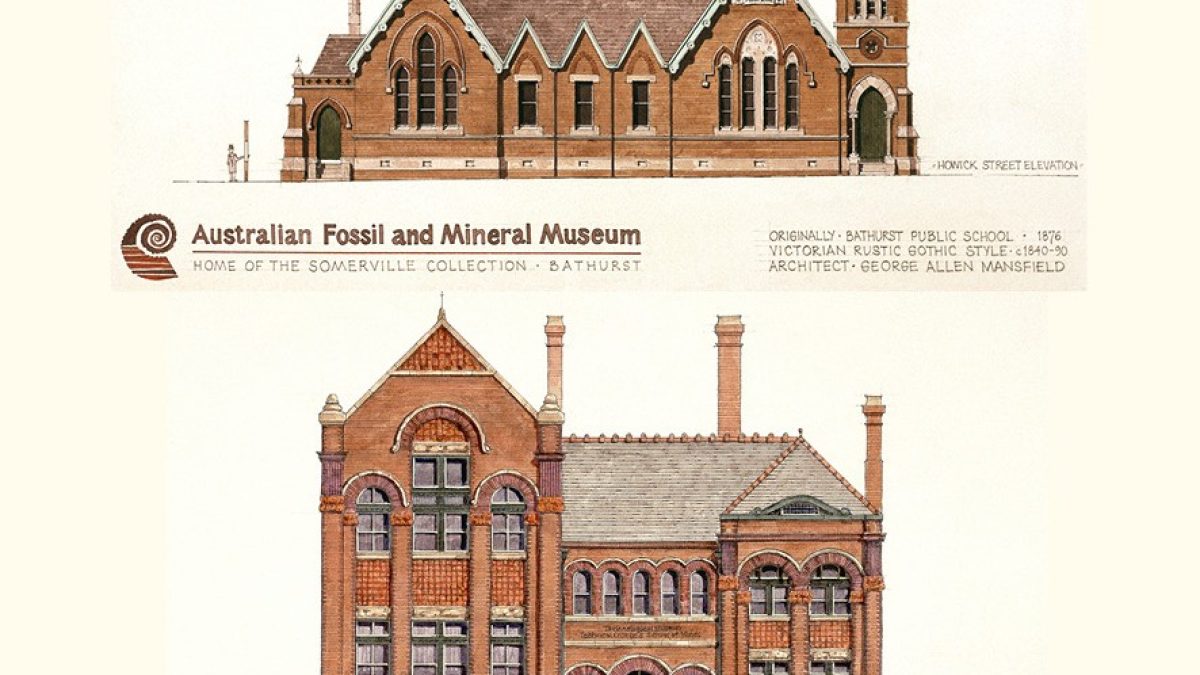
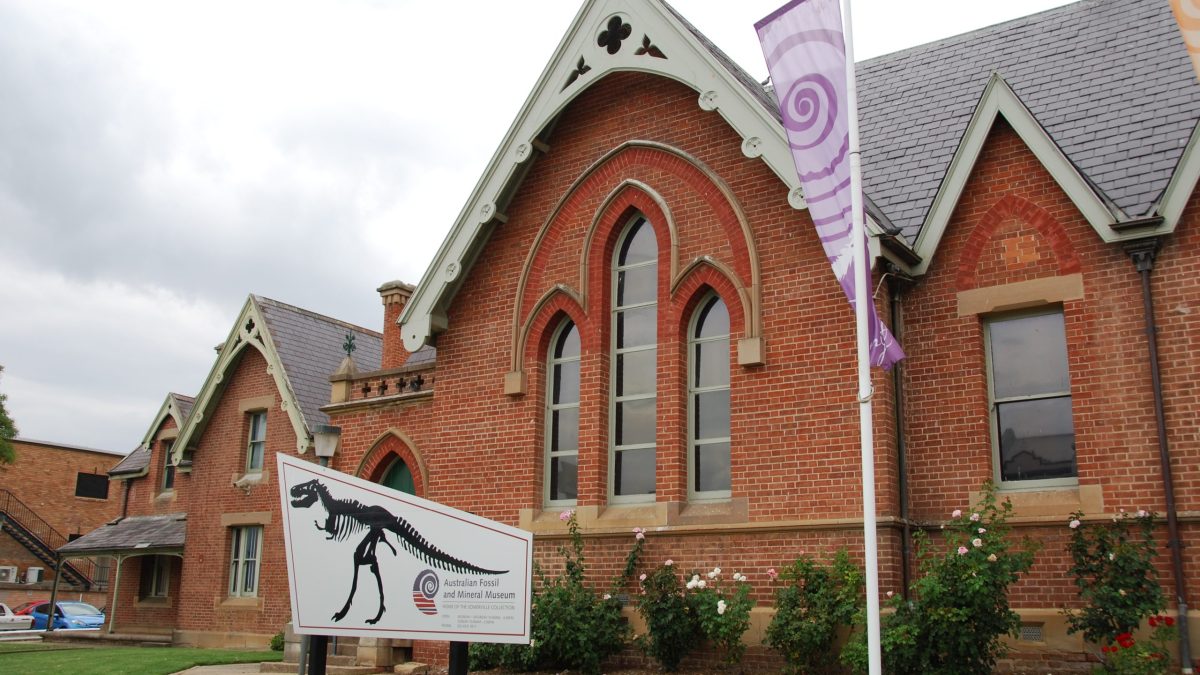
The introduction of public, state-run schools in 1848 expanded access. Bathurst’s first public school opened in 1853, despite debates over the need for secular education alongside established church schools. Initially housed in the Methodist Hall, it later moved to the purpose-built Bathurst Public School on Howick Street and, in 1940, to a ten-acre site at Prince’s Park.
The original building is now the site of the Australian Fossil & Mineral Museum which houses the internationally renowned Somerville Collection of fossils and minerals. It features some of the finest and rarest specimens of mineral crystals and fossils from around the world.
Suburban and rural schools—including Kelso, Milltown, Rockley, and Wattle Flat, emerged through local petitions, reflecting the growing population and the importance of education as a community cornerstone. Many of these 19th-century school buildings, often brick constructions, remain as heritage sites or private residences today.
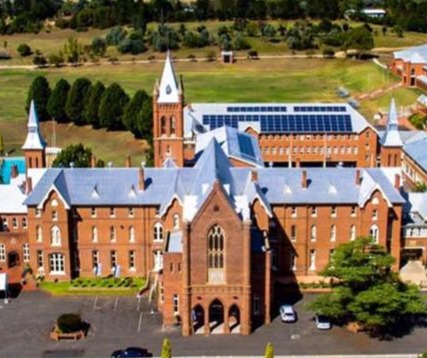
Church schools continued to play a pivotal role. Catholic orders such as the Sisters of Mercy and Patrician Brothers established schools in Bathurst and its villages, offering primary education and music tuition. St Mary’s High School for Girls (1867) and St Stanislaus’ College for boys marked the beginning of Catholic secondary education, with the latter’s Gothic Revival building dominating the skyline since 1873. Anglican secondary schools, including All Saints’ College and Marsden School, followed, alongside secular private colleges for girls.
Government secondary education arrived later. Bathurst High School opened in 1883 after earlier attempts struggled to attract students amid the success of church schools. Over time, state schools expanded their curriculum to include applied and vocational training, complementing the strong network of private institutions.
Technical and post-secondary education also flourished. The Bathurst School of Arts (1855) offered science and technical courses, evolving into the Bathurst Technical College (1898) and, eventually, TAFE.
Agricultural education began at the Bathurst Experiment Farm (later Bathurst Agricultural Research Station) in 1895, one of the first such institutions in New South Wales. It was created to find practical solutions and new opportunities for the area’s farmers. Its role was mainly in the application and teaching of agricultural science. Its applied scientific research included wheat trials by William Farrer, experiments with tobacco growing (in Morse Park), and the propagation of the Fragar Peach.
The Bathurst Teachers’ College was established in 1951 and
become Mitchell College of Advanced Education in 1970. These institutions
ultimately became part of Charles Sturt University in 1989, with heritage
buildings from each era still in use.
Bathurst’s educational heritage is a story of community initiative, church involvement, and local innovation. From early church schools and provisional classrooms to boarding colleges and modern tertiary institutions, the region has been at the forefront of inland New South Wales education.
Visiting Bathurst today, tourists can trace this rich journey through the area’s historic school buildings, colleges, and learning institutions, each a testament to the enduring value placed on knowledge and community.