A Modern Regional City


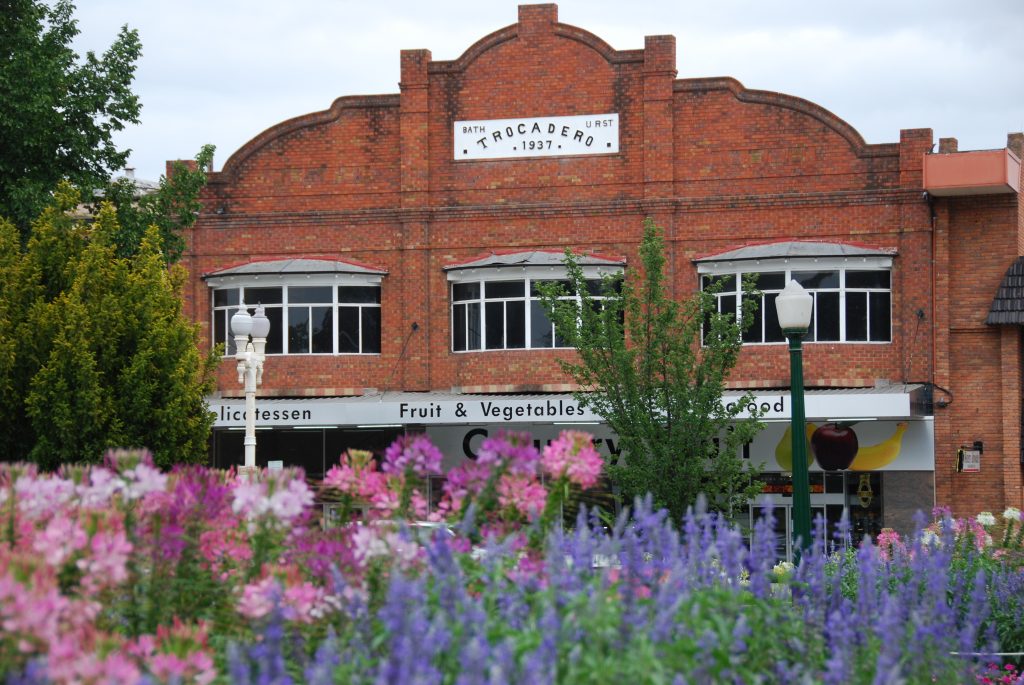
Overlooking the fertile plains of the Wambool (Macquarie) River, Bathurst stands proudly on the traditional lands of the Wiradjuri people.  Established in 1815 as Australia’s first inland settlement, it quickly became a centre for pastoral settlement and exploration.

The Bathurst region boasts a rich tapestry of ethnic influences that have shaped its cultural heritage. British settlers, English, Scottish, Welsh, Cornish.

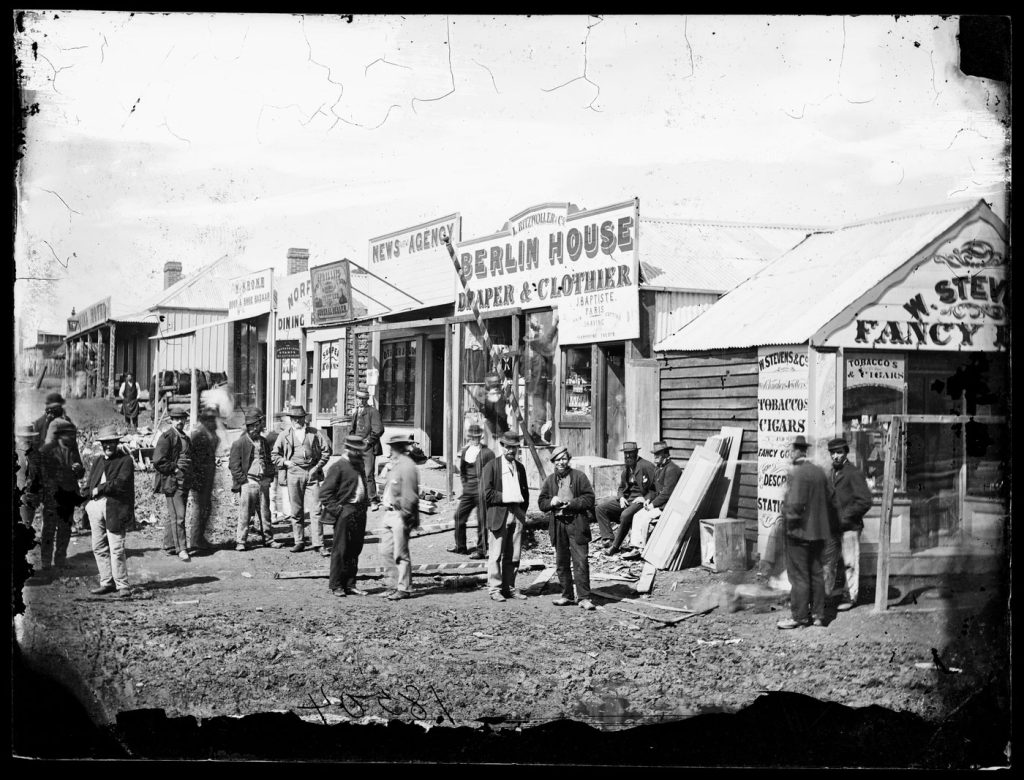
The mid-19th century goldrush introduced diverse communities from Europe, the Americas, and China. Hill End’s German and Polish heritage remains visible in historic cottages, streetscapes, and exotic plantings.  The Chinese miners, once prominent on local goldfields, contributed unique mining techniques and camps, though few physical traces remain today. Later, post-war migration brought refugees and displaced Europeans, further enriching the region’s multicultural identity.

Hill End Street Scene 1872

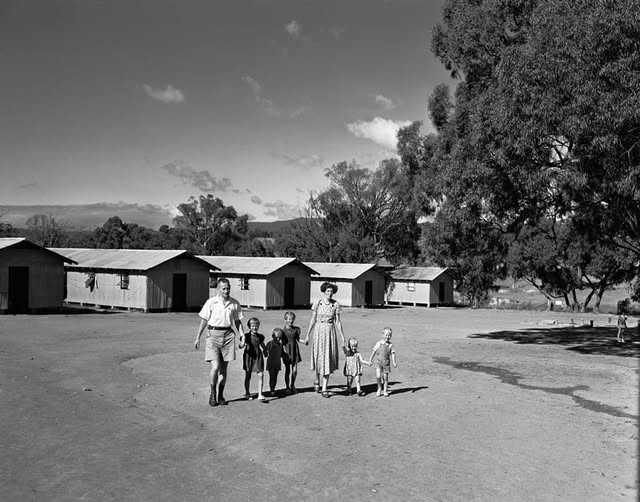
Post‑World War II Migration and the Bathurst Migrant Camp

In the aftermath of World War II, Bathurst played a pivotal role in Australia’s post‑war immigration story. An ex‑army camp at Kelso was repurposed in 1948 as the Bathurst Migrant Camp, a major reception and training centre for displaced Europeans under government assisted migration schemes. Over its brief life until 1952, the camp processed close to 100,000 migrants, many from war‑torn Eastern and Western Europe.

Although most new arrivals were soon resettled elsewhere for work and housing, the legacy of these “New Australians” lived on, contributing significantly to Australia’s cultural mosaic and to communities across New South Wales.

Bathurst Today


The Bathurst Regional Council area now has an estimated population of around 45,000 (2024), with projections suggesting continued growth into the future

Health care, manufacturing, construction, tourism and education, form the backbone of local employment, with Charles Sturt University adding intellectual energy, research growth and youthful vibrancy to the city’s social fabric.

Agriculture remains vital across the surrounding Central West, producing wool, prime lamb, grains and fruit that connect rural industry to international markets.

Tourism contributes significantly, with cultural institutions, motorsports and heritage attractions driving economic and community life.   A growing food, wine, and arts scene adds to its appeal.
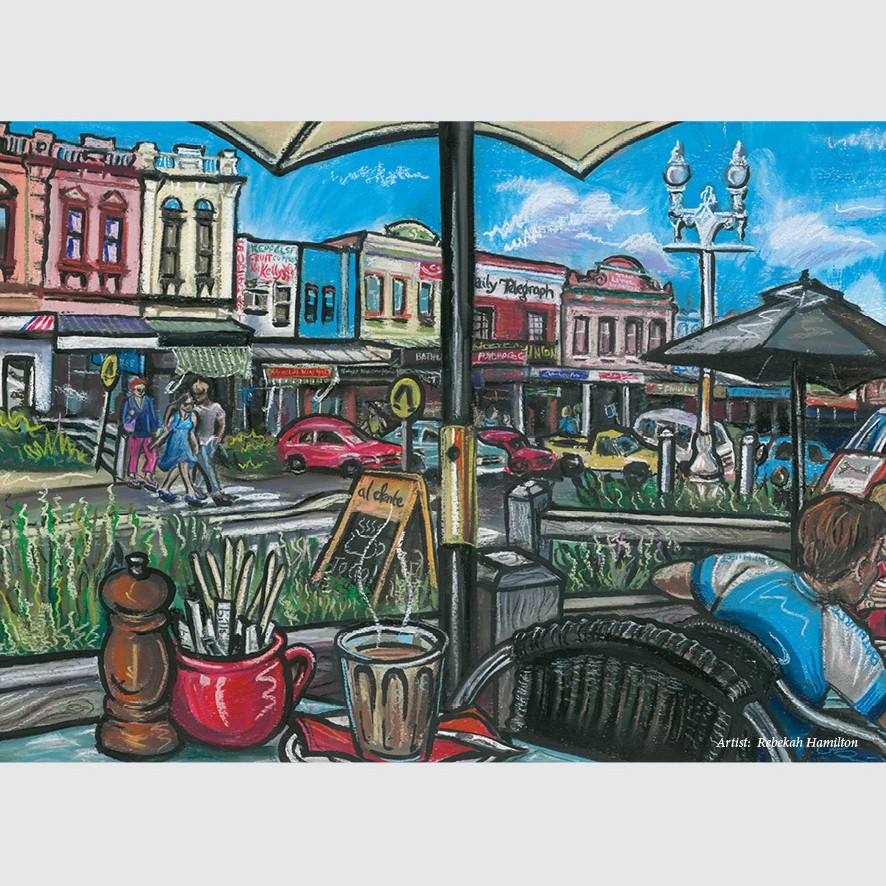
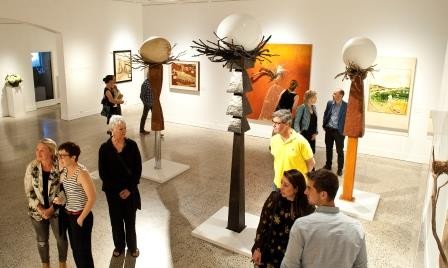
Bathurst Regional Art Gallery

Visitors and locals alike enjoy a wealth of leisure, sporting and recreation opportunities. Bathurst’s landscape is one of gentle rolling plains framed by distant ridges, four distinct seasons and open sky, ideal for scenic drives, cycling trails and riverbank strolls.


The iconic Mount Panorama‑Wahluu racetrack is an internationally recognised landmark and annual highlight for motorsport fans. Meanwhile, museums like the Australian Fossil and Mineral Museum and the National Motor Racing Museum offer immersive cultural experiences in historically significant settings.

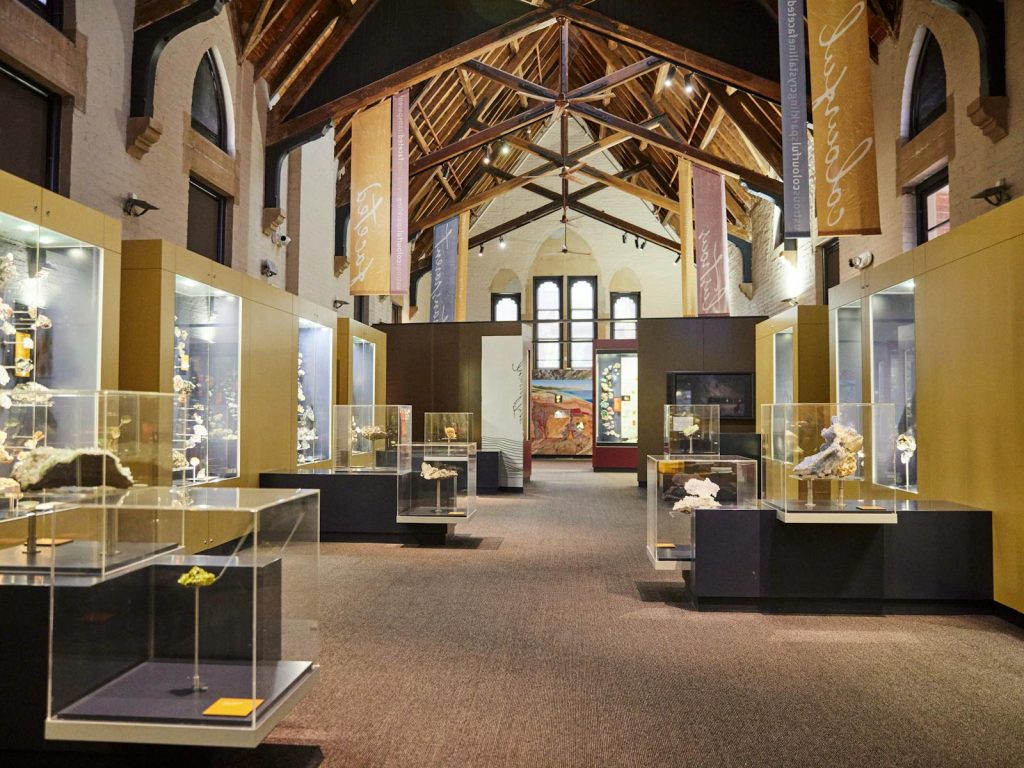
Australian Fossil & Mineral Museum – home to some of the rarest and most exquisite specimens of mineral crystals and fossils from across the globe.

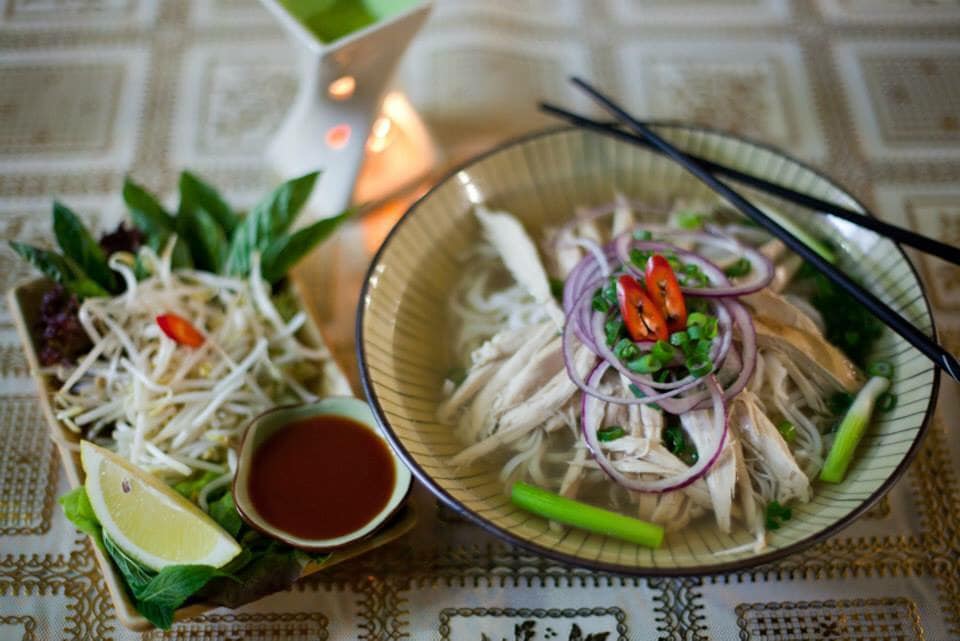
Today, Bathurst celebrates cultural diversity and supports those who have recently arrived from a wide range of countries.   It is not unusual to see a Sikh Australian playing cricket on one of the many ovals, or to be treated by a Filipino nurse at Bathurst hospital. A night out for dinner might be a choice between Japanese, Mexican, Indian, Thai, Vietnamese, American, Italian or several dozen other ethnic cuisines.  

Strong community ties, accessible services, and a relaxed lifestyle make Bathurst an attractive place to live, work, and visit.