|
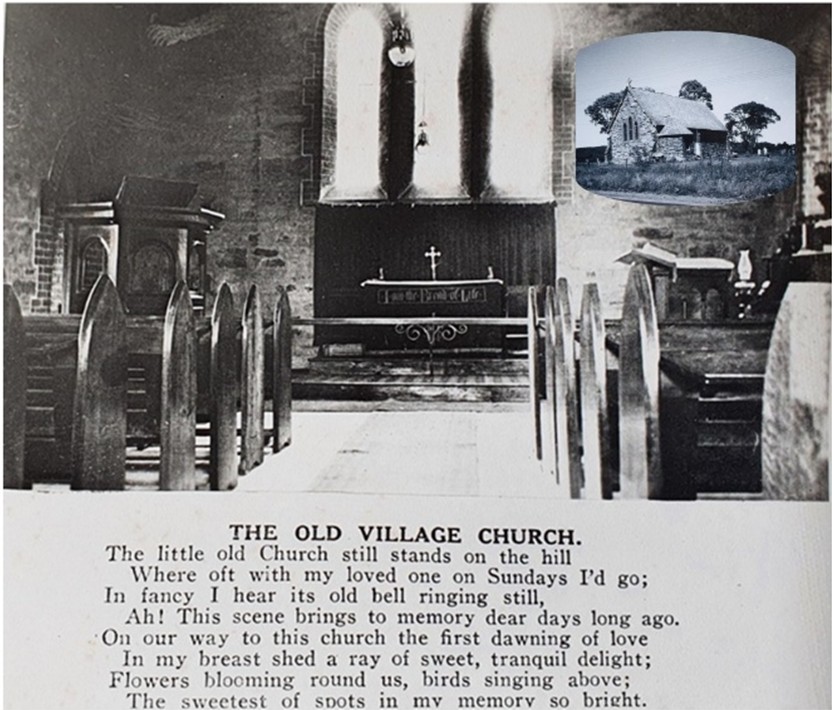
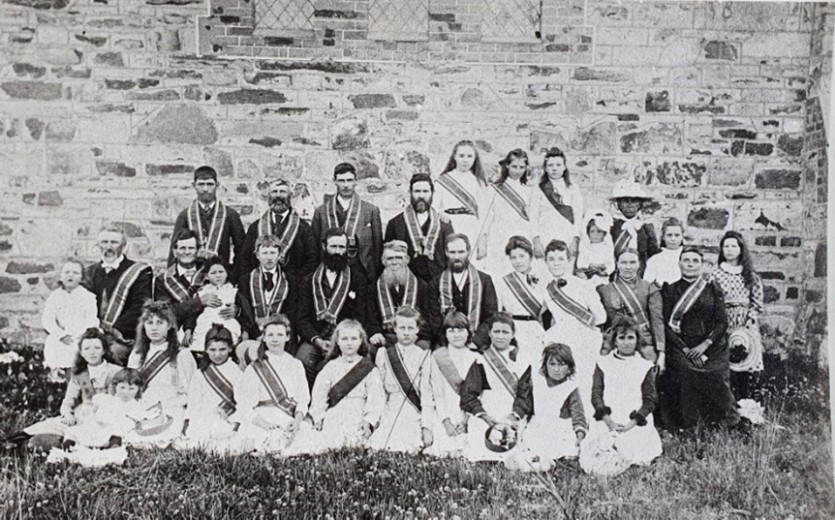
The first Bishop of Bathurst, Samuel Marsden, laid a foundation stone here in 1871 to replace the airy weatherboard and calico Anglican church built in 1866. Donations by John Smeed and J.B. Suttor of £200 and the employment of local carpenter and a goldfield personality, Jock Lowe, when sober, saw the construction of a new church in 1874.
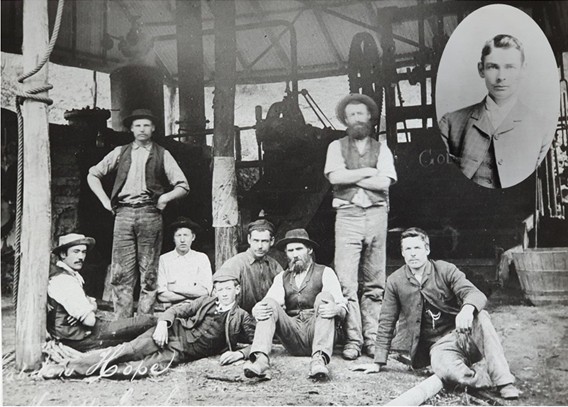
Charles Vaughan from Ireland was the first minister and attracted Irish emigrants such as the Storey, Reilly, McKinney and Crawford families, the later three worked the Little Oakey, Big Oakey and Caledonia gold mines, respectively. The Orange Lodge regularly held their meetings here in the early 1900s. John Reilly with his son Ted operated the last gold mine at Wattle Flat, right up to the elder Reilly’s death in 1939. At his funeral, Rev Laing described him as ‘a noble and truly loved citizen’ and a ‘true supporter of this church all his life’. His brothers, Tom and William, went to the Yukon Goldrush and were not heard from again.
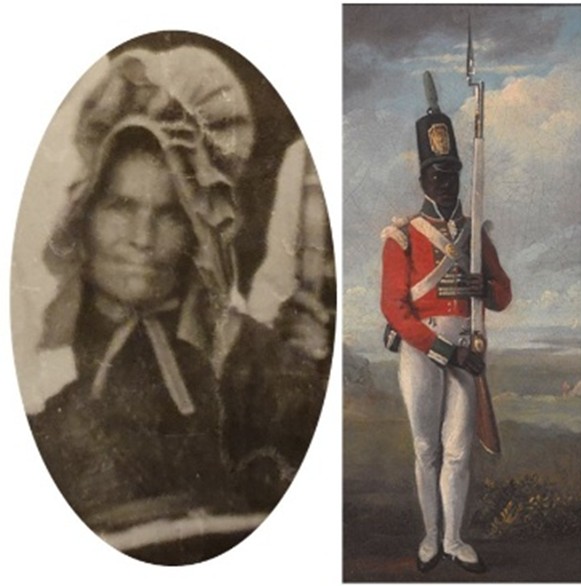
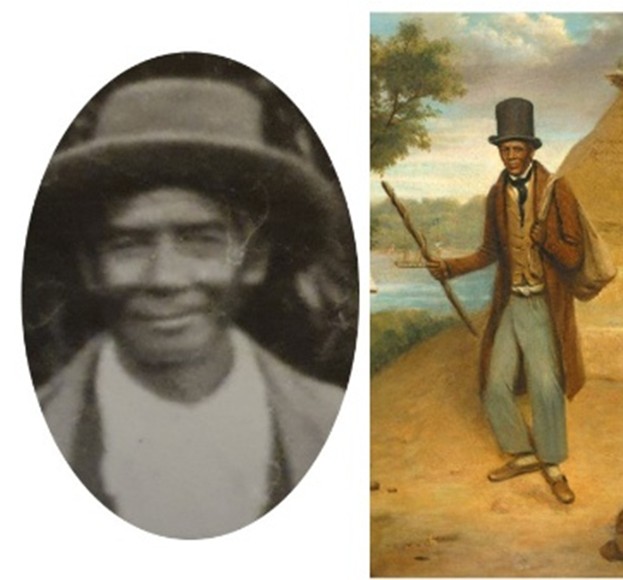
Esther Aiken (buried here aged 93 in 1911) was a daughter of ex-slave, but freeman, John Aiken from Barbados. He married Frances Randall whose father was John Randall, an ex-slave from Connecticut who was in the English military in the War of Independence but was transported on the First Fleet for stealing a pocket watch. His neighbour in Sydney, also a convict and ex-slave, John Martin, was appointed a district constable and married another daughter, Mary Randall. The Martins came to Turon Goldfields in 1857 after their daughter, Hannah Martin married a convict, Peter Coups. Hannah Coups (Martin) died here in 1877 and their children Elizabeth White (Aiken) and Robert and Rodina Coups are also buried in this cemetery.
|