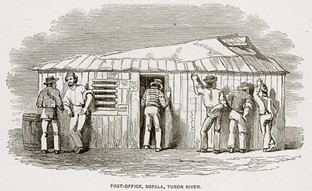
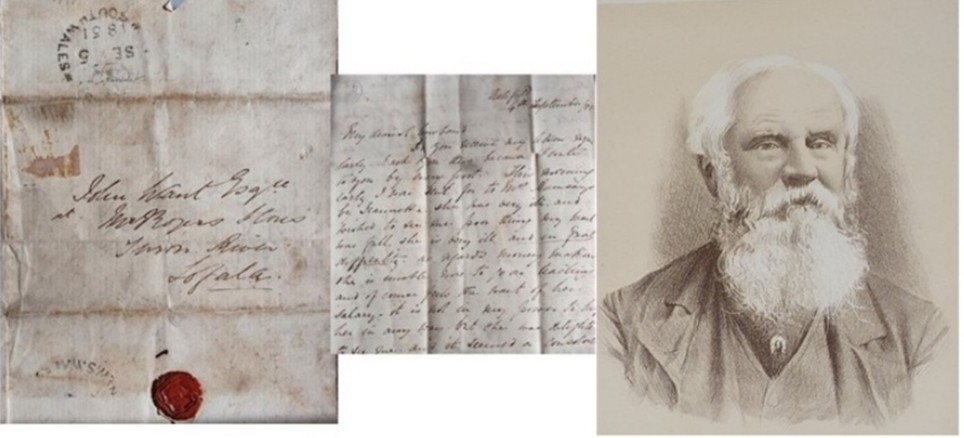
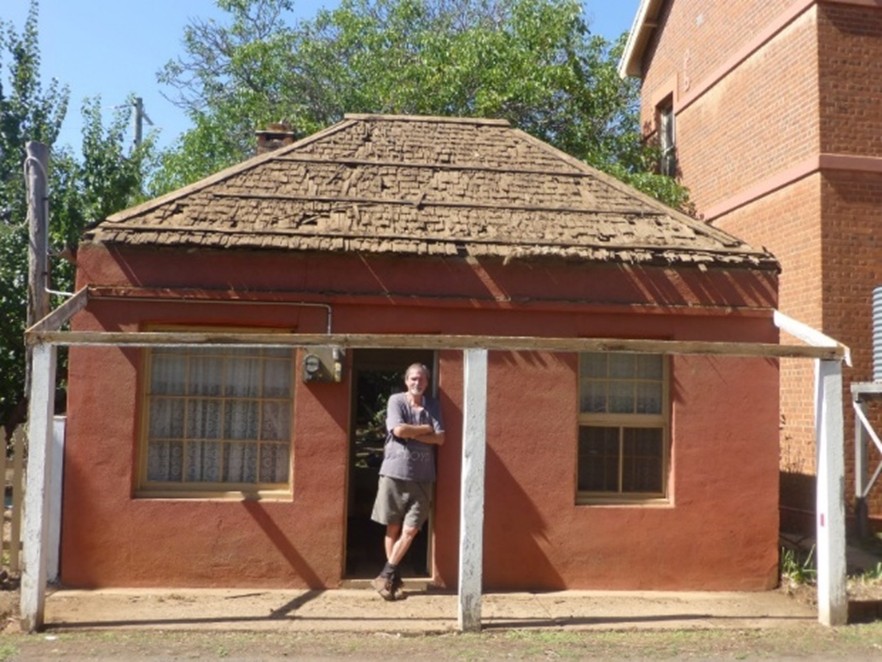
Commissioner King appointed John Rogers, a theatrical gentleman from London, on June 30 1851, to run a makeshift post office. A letter remaining from this time from a Mrs Want, enquires when her husband was coming home. It cost £10 to register a letter and Henry Rotten who operated a two-horse mail cart, also charged £8 for the return trip to Bathurst. The first post office was described as ‘built so carelessly that one might shake hands with a friend inside through the interstices’.
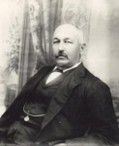
The post office was purchased from the Crown by Joseph Walford in 1862. He was described as ‘a prosperous merchant and owning much of Sofala’. The postmaster at this time was Dr Wesby Walker who mixed the post office with doctoring and dentistry and was described as ‘an unconscionable brute at tooth pulling’. The next postmaster was the esteemed Charles Smith who was present when both premises were destroyed by fire in June 1875.
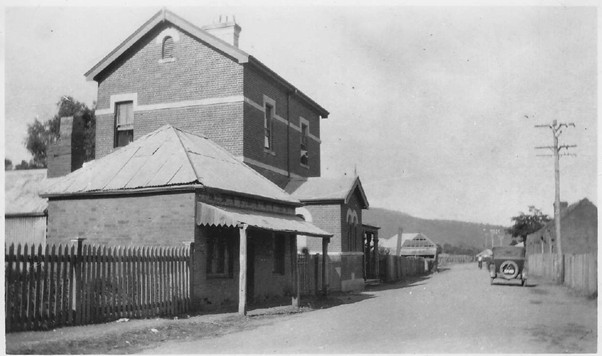
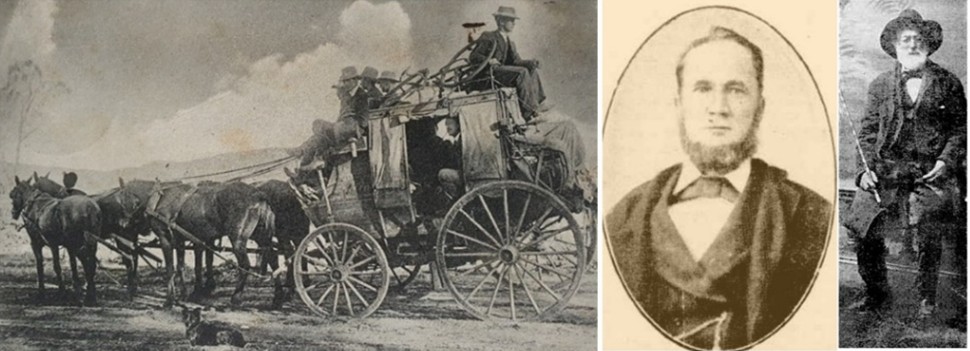
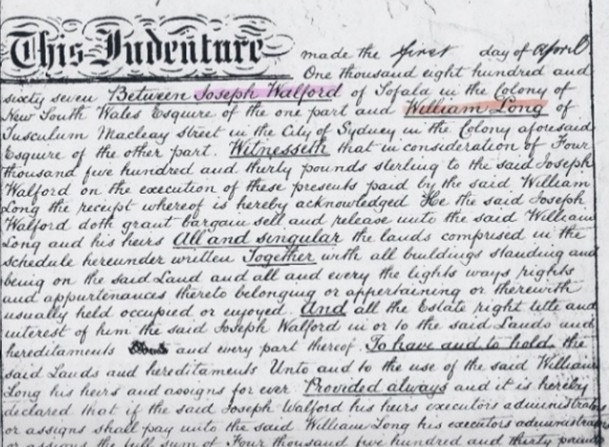
In 1867, Joseph Walford mortgaged Lot 72 (PO, Telegraph Office and Beech’s Store ) to his wealthy brother-in-law William Long from Sydney. His son W. A. Long, as Colonial Treasurer in 1877, appointed Colonial Architect James Barnett to build the new Post Office after the premises was destroyed in the 1875 fire. On November 10 1879, a foundation stone was laid by Mrs J. B. Suttor and the Odd Fellows Brass Band led a procession down Deniston Street. Subsequently, the mail delivery competition was intense for custom amongst the coach proprietors James Lowe, from Cobb and Co, and the legendary Bill Malony.
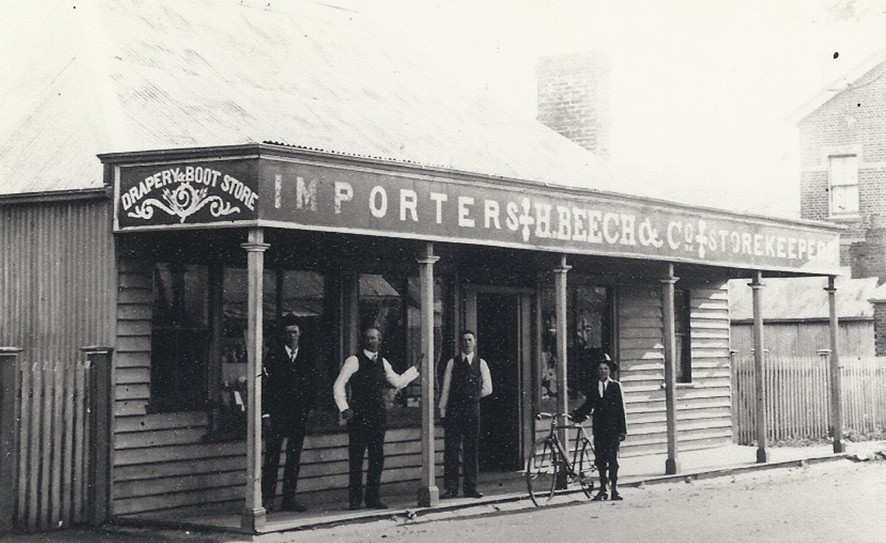
Henry Beech from Hill End purchased Lot 72 in 1900 and ran Beech’s store next to the Post Office until his death in 1929. It was demolished in 1960. James Crossley was the postmaster from 1914-1939. The post office continued to operate in the town and closed in 1989 with Mrs Goodwin in charge.